
Beneath the Surface
Inside the Enduring Violence of Bhopal’s Two Disasters

Do you know the colour of the water was green, like you put green dye into the water and it had turned a luminous green. Can you imagine that? And the smell, it was something I'll never forget.
The testimonies of people living through two major chemical disasters in Bhopal, India, inform the story that follows. Quotes have been anonymised to protect interviewees, many of whom live in communities whose daily access to water depends upon official agencies.
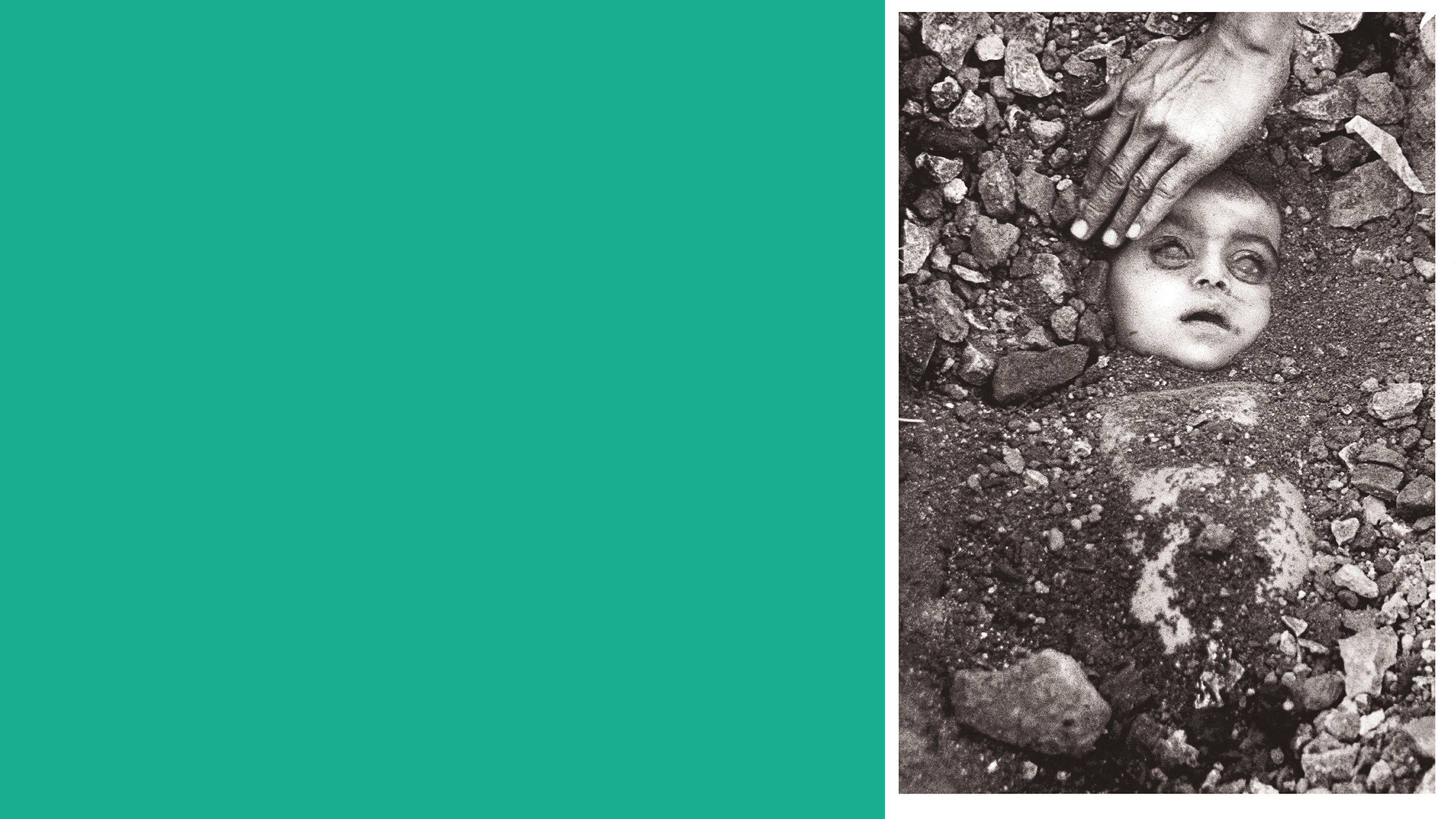
The story includes content that may be distressing, including accounts of death and the image of a dead child. This is not shown gratuitously: documentary photography has played an essential role in bringing the story of the Bhopal disasters into international awareness.

The worst industrial disaster of all time is happening right now, in Bhopal, India. It has already killed thousands and continues to devastate the lives of those who survived, their children and their grandchildren.
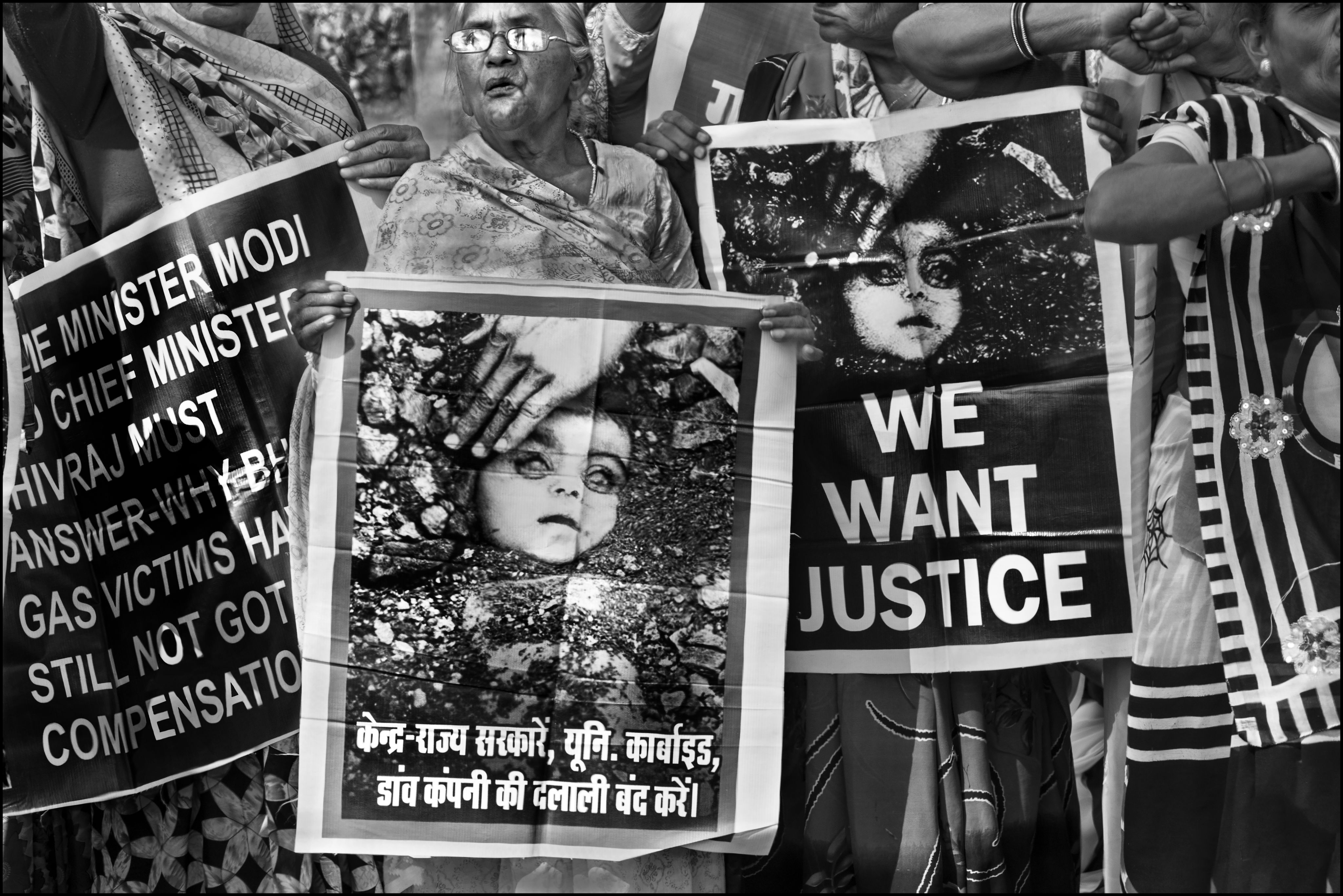
Some of us may be hearing this story for the first time; others may still remember the 1984 Bhopal gas tragedy. We have the image of a young child with burnt-out eyes forever etched in our memory. It continues to haunt us.
We might know that the disaster happened on a cold night in December, when a cloud of methyl isocyanate gas (MIC) gushed from a Union Carbide factory in Bhopal, engulfing whole neighbourhoods. That thousands died in agony, choking, blinded by gas that burned their eyes and seared their lungs.
But few know that on ‘that night’ another chemical disaster was already underway, already bearing down on the same city.
Union Carbide’s poisoning of Bhopal is not history. Of the more than half a million people left with permanent injuries, many have not known a single day without pain since the disaster. People exposed to the gas as children and now in their forties are dying after prolonged suffering. New generations in Bhopal are still being born with serious disabilities.
Born into Bhopal’s gas-affected townships, which already bear a multitude of physical and mental impairments, these children are among Carbide’s most recent victims, but there are still more. Day by day, hour by hour, Carbide’s abandoned, decaying factory continues to harm new bodies.
As you read these words, bodies of water, animals, men, women and children — born and unborn — are being steadily poisoned by a range of toxic chemicals that Carbide dumped in Bhopal years before the gas disaster and abandoned there after.
Despite knowing that its pollutants threatened water relied upon by thousands of local people, many already poisoned by its gas, Union Carbide chose to warn no one, to smear those who raised alarms, and to flee India without cleaning up. US giant Dow Chemical, which merged with Carbide a quarter century ago, refuses to make its subsidiary take humane action to stop this preventable disaster.
Steadily leaching from waste strewn about the abandoned factory, the damage the toxicants inflict is sometimes visible, eroding buckets, bowls, and pots, but is mostly unseen. Out of sight, it wreaks havoc on endocrine systems, invisibly breaches cells, corrodes bodily organs and twists genes. Even before they enter this world, it harms forever those soon to be born.
Those living in harm’s way continue to struggle for better health and for an environment free of Dow’s chemicals. Without effective medical care, without some form of justice, there will be no end.
But neither justice nor healthcare is possible for the people of Bhopal unless people like us decide to become a part of their story.
And in order to decide, we need first to understand.


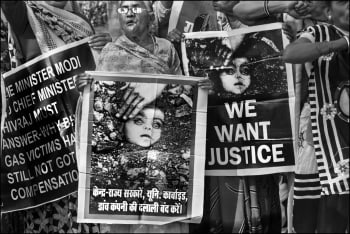

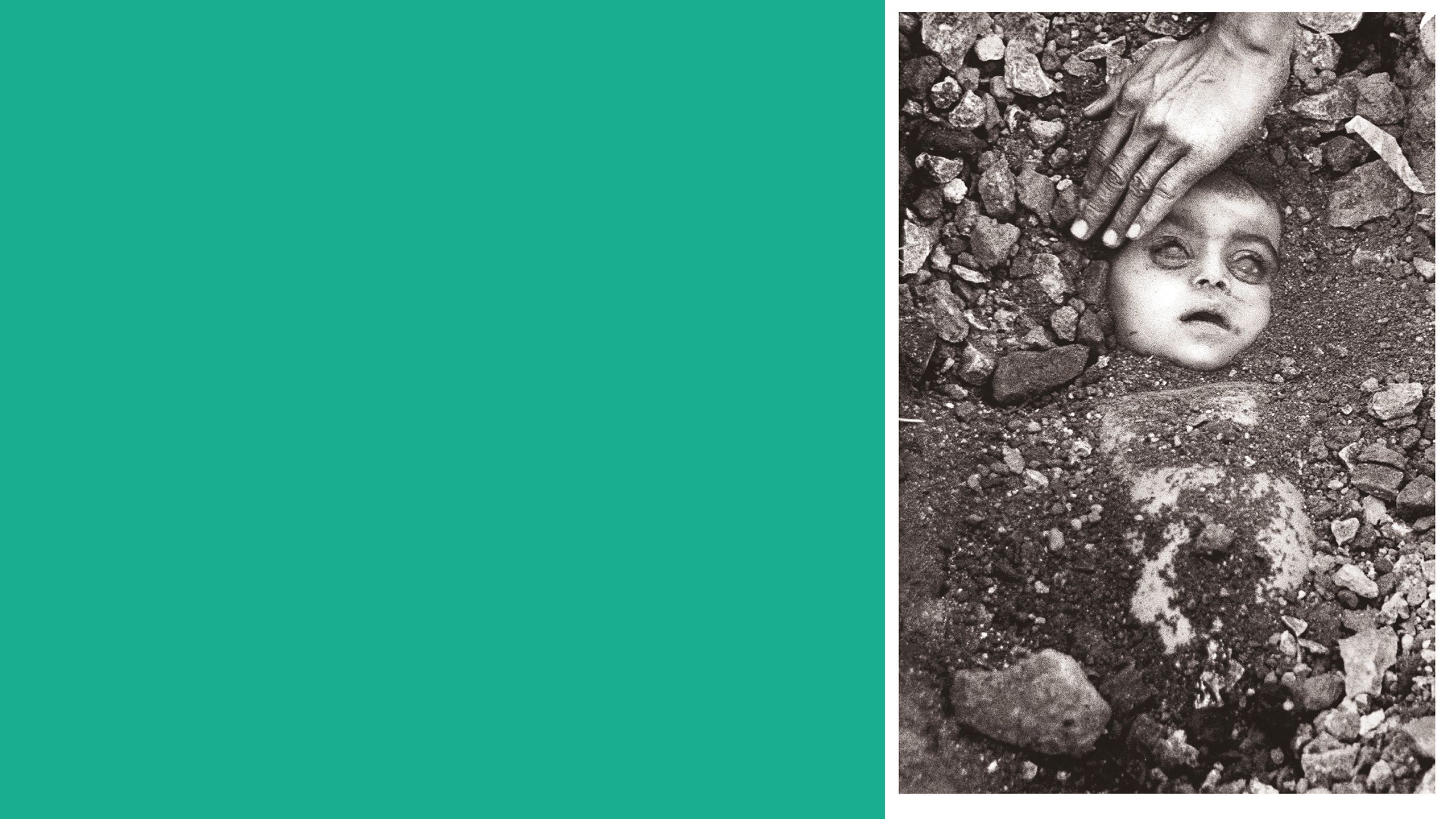


The worst industrial disaster of all time is happening right now, in Bhopal, India. It has already killed thousands and continues to devastate the lives of those who survived, their children and their grandchildren.
Some of us may be hearing this story for the first time; others may still remember the 1984 Bhopal gas tragedy. We have the image of a young child with burnt-out eyes forever etched in our memory. It continues to haunt us.
We might know that the disaster happened on a cold night in December, when a cloud of methyl isocyanate gas (MIC) gushed from a Union Carbide factory in Bhopal, engulfing whole neighbourhoods. That thousands died in agony, choking, blinded by gas that burned their eyes and seared their lungs.
But few know that on ‘that night’ another chemical disaster was already underway, already bearing down on the same city.
Union Carbide’s poisoning of Bhopal is not history. Of the more than half a million people left with permanent injuries, many have not known a single day without pain since the disaster. People exposed to the gas as children and now in their forties are dying after prolonged suffering. New generations in Bhopal are still being born with serious disabilities.
Born into Bhopal’s gas-affected townships, which already bear a multitude of physical and mental impairments, these children are among Carbide’s most recent victims, but there are still more. Day by day, hour by hour, Carbide’s abandoned, decaying factory continues to harm new bodies.
As you read these words, bodies of water, animals, men, women and children - born and unborn - are being steadily poisoned by a range of toxic chemicals that Carbide dumped in Bhopal years before the gas and abandoned there years after.
Despite knowing that its pollutants threatened water relied upon by thousands of local people, many already poisoned by its gas, Union Carbide chose to warn no one, to smear those who raised alarms, and to flee India without cleaning up. US giant Dow Chemical, which merged with Carbide a quarter century ago, refuses to make its subsidiary take humane action to stop this preventable disaster.
Steadily leaching from waste strewn about the abandoned factory, the damage the toxicants inflict is sometimes visible, eroding buckets, bowls, and pots, but is mostly unseen. Out of sight, it wreaks havoc on endocrine systems, invisibly breaches cells, corrodes bodily organs and twists genes. Even before they enter this world, it harms forever those soon to be born.
Those living in harm’s way continue to struggle for better health and for an environment free of Dow’s chemicals. Without effective medical care, without some form of justice, there will be no end.
But neither justice nor healthcare is possible for the people of Bhopal unless people like us decide to become a part of their story.
And in order to decide, we need first to understand.


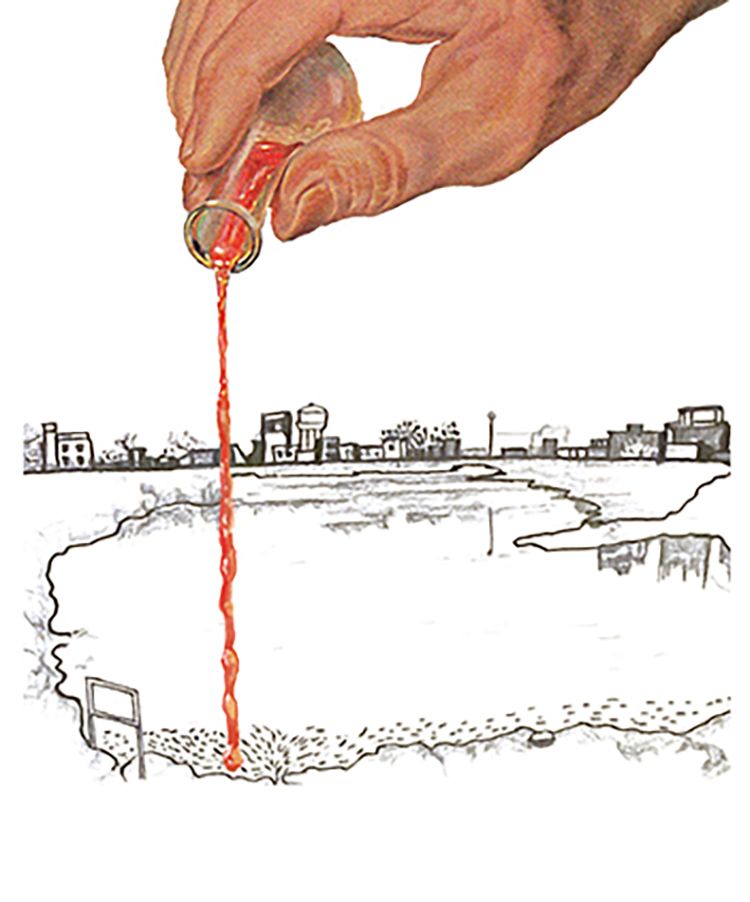
‘Science Helps Build A New India: Subverted’. Sequential drawing by Lynn Wray.
‘Science Helps Build A New India: Subverted’. Sequential drawing by Lynn Wray.

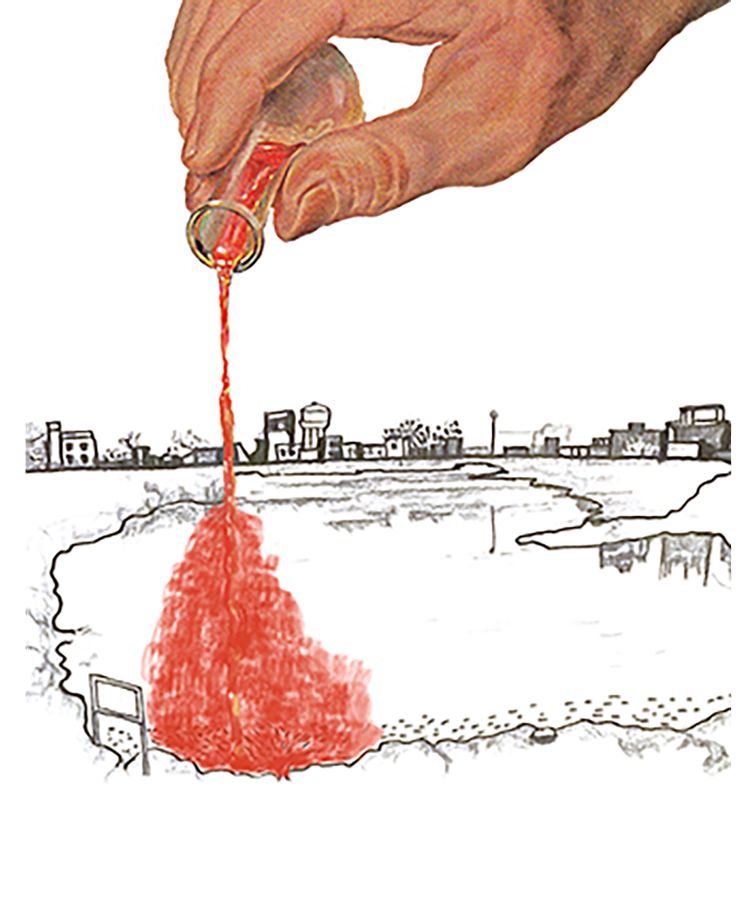
‘Science Helps Build A New India: Subverted’. Sequential drawing by Lynn Wray.
‘Science Helps Build A New India: Subverted’. Sequential drawing by Lynn Wray.
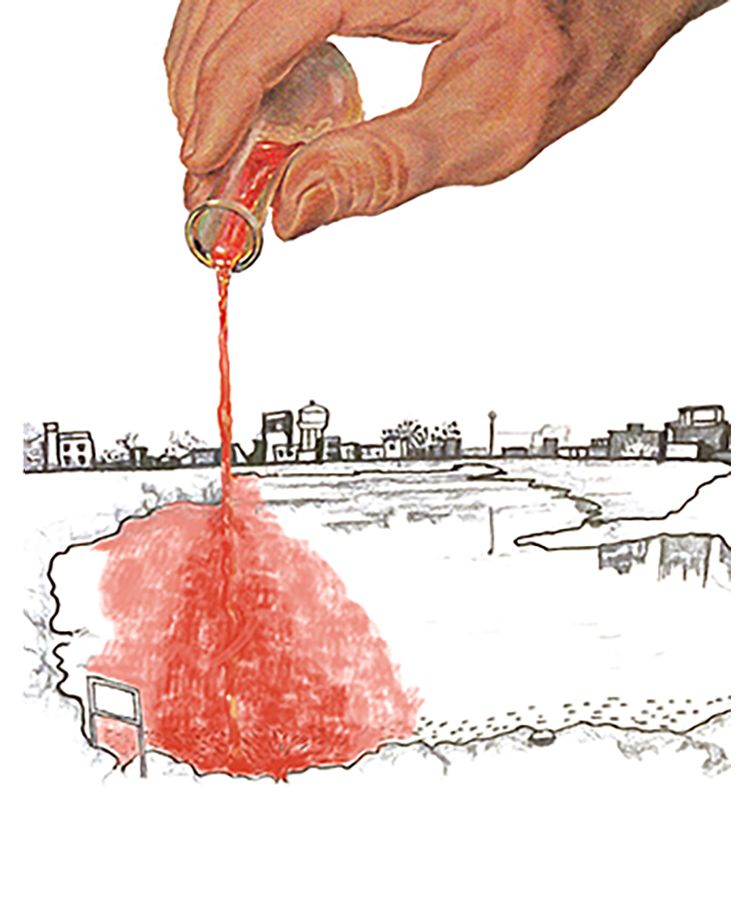
‘Science Helps Build A New India: Subverted’. Sequential drawing by Lynn Wray.
‘Science Helps Build A New India: Subverted’. Sequential drawing by Lynn Wray.


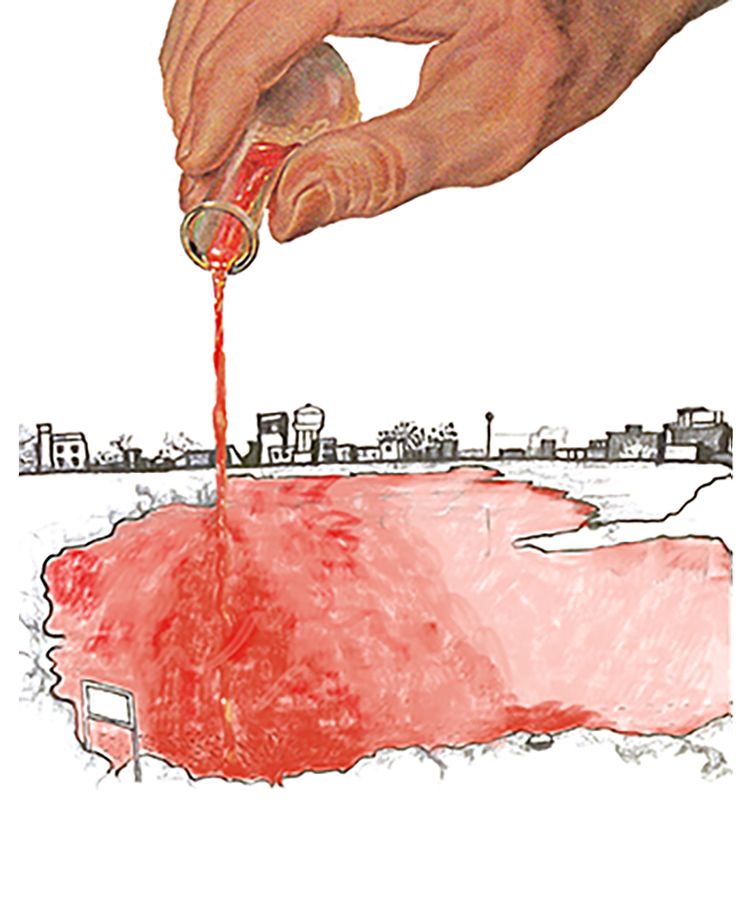
‘Science Helps Build A New India: Subverted’. Sequential drawing by Lynn Wray.
‘Science Helps Build A New India: Subverted’. Sequential drawing by Lynn Wray.
In the early 1960s, confronted by widespread famine and haunted by fears of crop failure, the Indian government embraced the new technologies and industrial-scale food production of the Green Revolution. This new form of agriculture required new chemicals to wipe out armies of hungry insects. Seizing on this opening, the American multinational, Union Carbide, had found a huge new market for its deadly insecticide, Sevin.

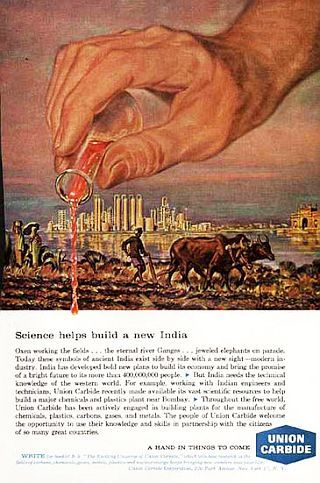
'Science Helps Build a New India'. Union Carbide advertisement, 1962.
'Science Helps Build a New India'. Union Carbide advertisement, 1962.
While, in the US, Rachel Carson’s Silent Spring (1962) highlighted the dangers of pesticides to living things, leading to to the banning of DDT and new environmental protection legislation in the US, Union Carbide received permission to build a factory for Sevin production in Bhopal, India. The toxic chemical methyl isocyanate (MIC), produced onsite in the Bhopal factory from 1973, was known to be 'reactive, toxic, volatile and flammable', according to the company's manual - 'an oral and contact poison'. By volume, MIC is five times more dangerous than the WWI chemical weapon phosgene and 500 times more lethal than hydrogen cyanide, the main agent of WWII poison gas Zyklon B.
Union Carbide chose not to invest in effective disposal solutions for the highly toxic waste that resulted from the production process. Even before the factory was in operation, a scheme to dispose of chemical wastewaters into 'solar evaporation ponds' purpose-built at the site raised ethical concerns. One American engineer foresaw the near impossibility of preventing 'seepage of the chloride into the groundwaters and therefore into the community water supply’. He wrote: 'I cannot believe that we would be held blameless if we recognized potential problems here and did not speak up'. His concerns were ignored. Meanwhile, Union Carbide continued to routinely dump massive amounts of chemical substances, including byproducts and wastes, into crude, unlined pits on the factory premises.

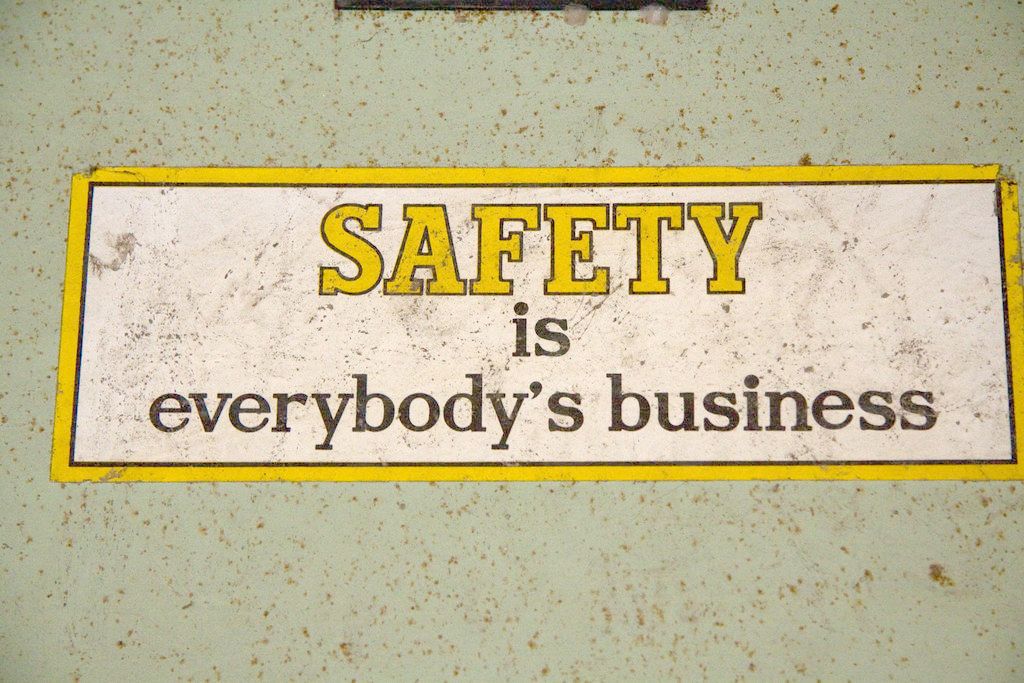
Photograph of a safety sticker at the former Union Carbide factory site. Image appears courtesy of the Bhopal Medical Appeal.
Photograph of a safety sticker at the former Union Carbide factory site. Image appears courtesy of the Bhopal Medical Appeal.
Monsoon rains caused overflows around the evaporation ponds, decanting toxic liquid into porous soil. The ponds' polyethylene liners began to perish but Union Carbide chose not to replace them. The death of cattle on surrounding land prompted out of court pay-offs to local farmers. In 1982, local managers informed American management of continued leakages from the ponds.
At the same time, cost-cutting measures were stripping the Bhopal factory to its bare bones. Local government recorded six major accidents between 1978 and 1984, resulting in one worker's death and around 20 hospitalisations. In 1982, residents of nearby communities had to flee their homes when a loose fitting valve released a cloud of MIC, chloroform, and hydrochloric acid. Operator training was slashed from six months to two weeks, staff numbers in the MIC unit were halved, and safety devices were put out of commission or fell into disrepair.
Big big trucks used to come in and out of the factory. And we used to ask, "what is this?" And they used to say, "oh, it's insecticide to kill insects so that you get better crops. So that the crops are good for humans to eat".
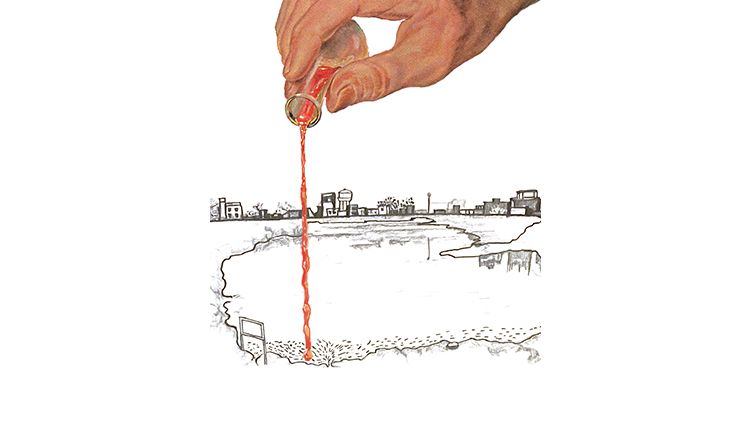
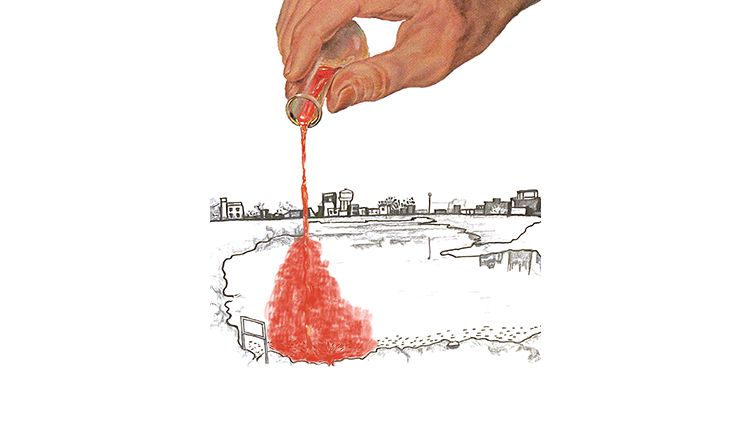
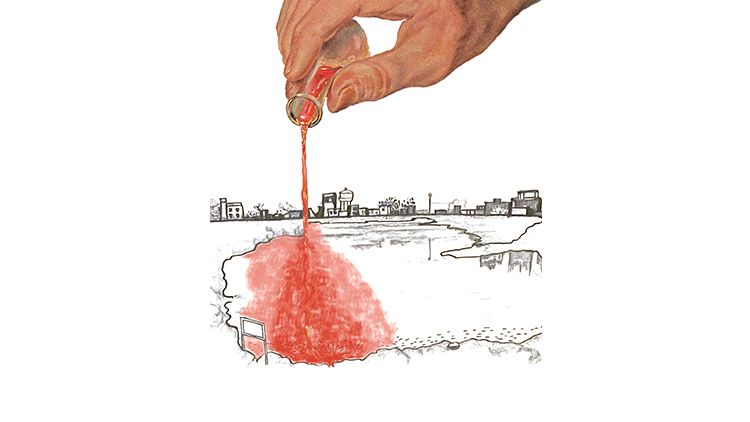
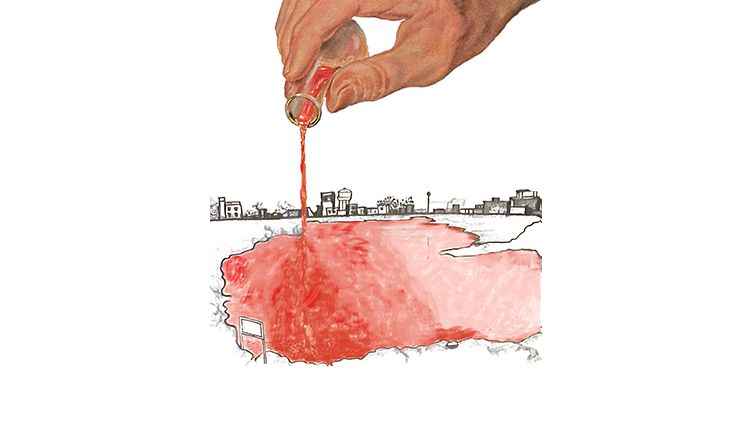
Scrollmation Caption: ‘Science Helps Build A New India: Subverted’. Sequential drawing/scrollmation by Lynn Wray.
In the early 1960s, confronted by widespread famine and haunted by fears of crop failure, the Indian government embraced the new technologies and industrial-scale food production of the Green Revolution. This new form of agriculture required new chemicals to wipe out armies of hungry insects. Seizing on this opening, the American multinational, Union Carbide, had found a huge new market for its deadly insecticide, Sevin.
'Science Helps Build a New India'. Union Carbide advertisement, 1962.
'Science Helps Build a New India'. Union Carbide advertisement, 1962.
While, in the US, Rachel Carson’s Silent Spring (1962) highlighted the dangers of pesticides to living things, leading to to the banning of DDT and new environmental protection legislation in the US, Union Carbide received permission to build a factory for Sevin production in Bhopal, India. The toxic chemical methyl isocyanate (MIC), produced onsite in the Bhopal factory from 1973, was known to be 'reactive, toxic, volatile and flammable', according to the company's manual - 'an oral and contact poison'. By volume, MIC is five times more dangerous than the WWI chemical weapon phosgene and 500 times more lethal than hydrogen cyanide, the main agent of WWII poison gas Zyklon B.
Union Carbide chose not to invest in effective disposal solutions for the highly toxic waste that resulted from the production process. Even before the factory was in operation, a scheme to dispose of chemical wastewaters into 'solar evaporation ponds' purpose-built at the site raised ethical concerns. One American engineer foresaw the near impossibility of preventing 'seepage of the chloride into the groundwaters and therefore into the community water supply’. He wrote: 'I cannot believe that we would be held blameless if we recognized potential problems here and did not speak up'. His concerns were ignored. Meanwhile, Union Carbide continued to routinely dump massive amounts of chemical substances, including byproducts and wastes, into crude, unlined pits on the factory premises.
Photograph of a safety sticker at the former Union Carbide factory site. Image appears courtesy of the Bhopal Medical Appeal.
Photograph of a safety sticker at the former Union Carbide factory site. Image appears courtesy of the Bhopal Medical Appeal.
Monsoon rains caused overflows around the evaporation ponds, decanting toxic liquid into porous soil. The ponds' polyethylene liners began to perish but Union Carbide chose not to replace them. The death of cattle on surrounding land prompted out of court pay-offs to local farmers. In 1982, local managers informed American management of continued leakages from the ponds.
At the same time, cost-cutting measures were stripping the Bhopal factory to its bare bones. Local government recorded six major accidents between 1978 and 1984, resulting in one worker's death and around 20 hospitalisations. In 1982, residents of nearby communities had to flee their homes when a loose fitting valve released a cloud of MIC, chloroform, and hydrochloric acid. Operator training was slashed from six months to two weeks, staff numbers in the MIC unit were halved, and safety devices were put out of commission or fell into disrepair.
Big big trucks used to come in and out of the factory. And we used to ask, "what is this?" And they used to say, "oh, it's insecticide to kill insects so that you get better crops. So that the crops are good for humans to eat".
The Union Carbide Gas Disaster
Just after midnight on 3 December 1984, a runaway reaction inside one of the factory's huge steel tanks reached boiling point. Tons of chemical liquid rapidly vaporised.
Intense heat and pressure blasted the gases past a relief valve and into a complex tangle of metal piping. The factory’s six safety systems were unable to contain their frantic flight. The gases swiftly reached a vent and began gushing from a tall smokestack.
The gases swirled and spread, forming a dense cloud that stained the clear night sky. Heavier than air and nudged by a cold breeze, the thick mass drifted down and rolled towards the tightly packed one-storey houses crowded together in the dark across the road from the plant’s main gates.
Homes in which thousands were sleeping were engulfed by a 25-foot high poison cloud.
The gas curled under ill-fitting doors and seeped through narrow gaps in wooden planks and makeshift roofs. People suddenly woke in their beds choking, gasping for breath. They opened their eyes into a darkness full of invisible fire.
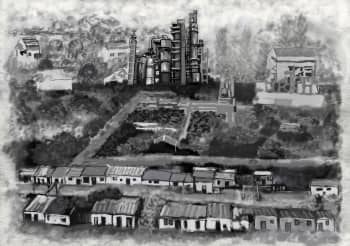
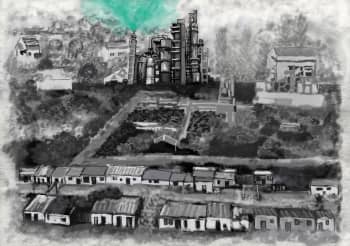
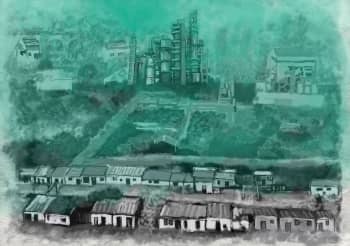
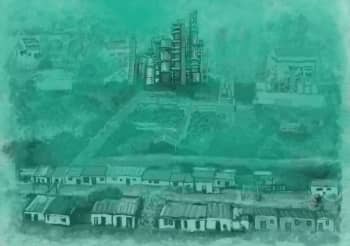
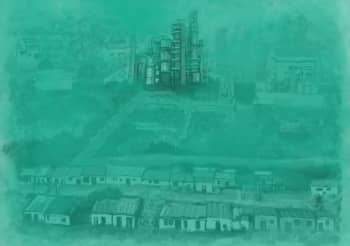

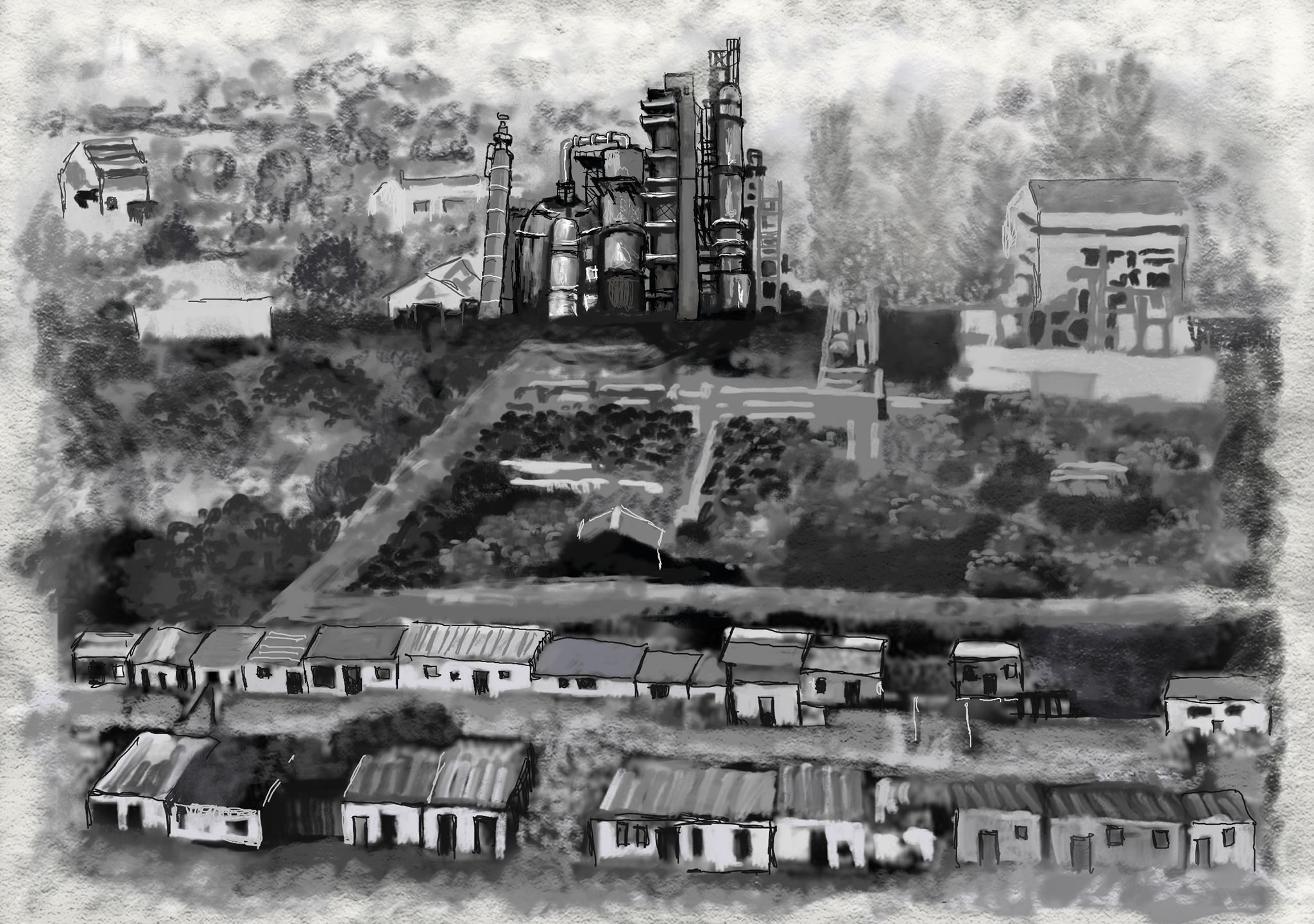
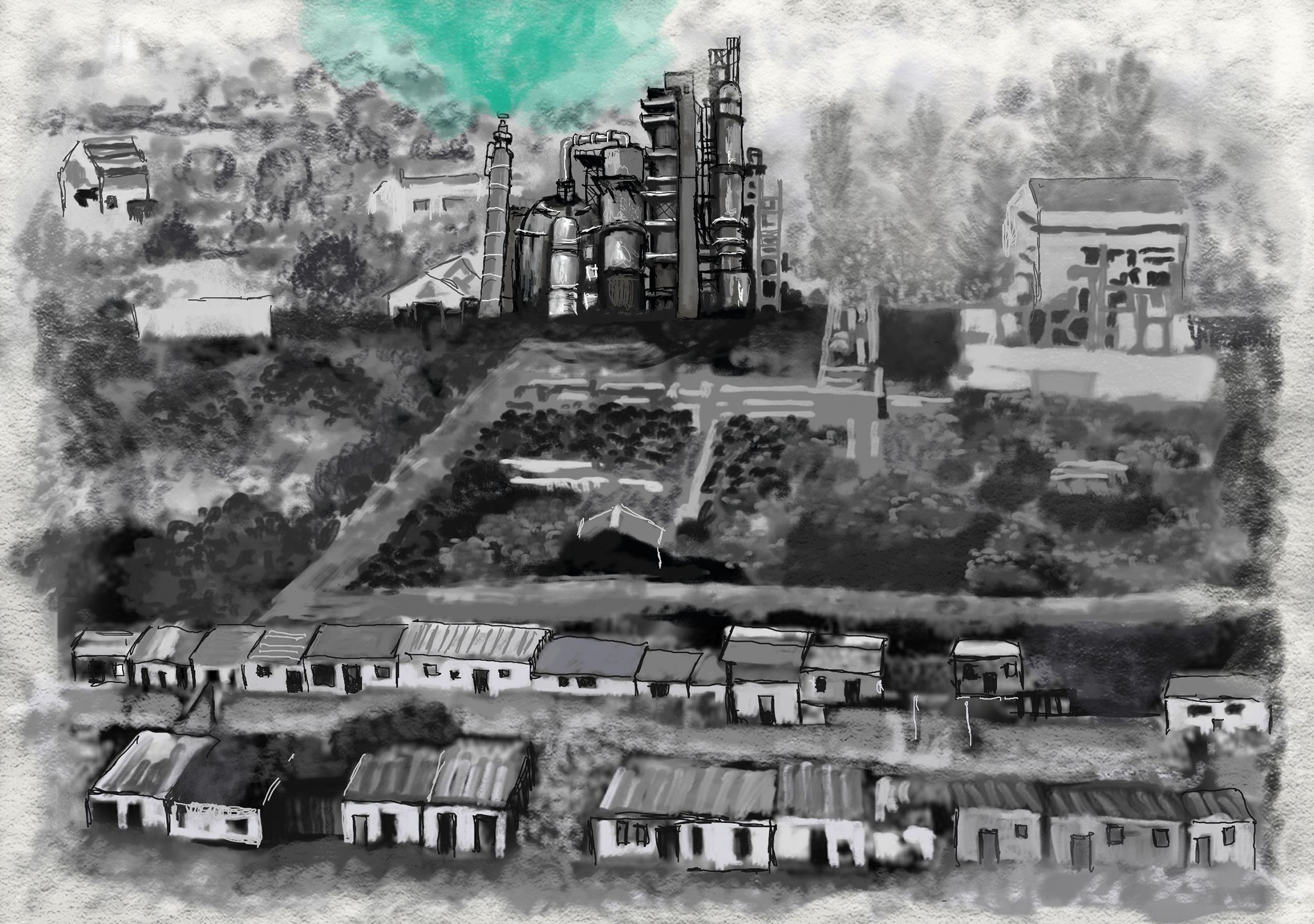
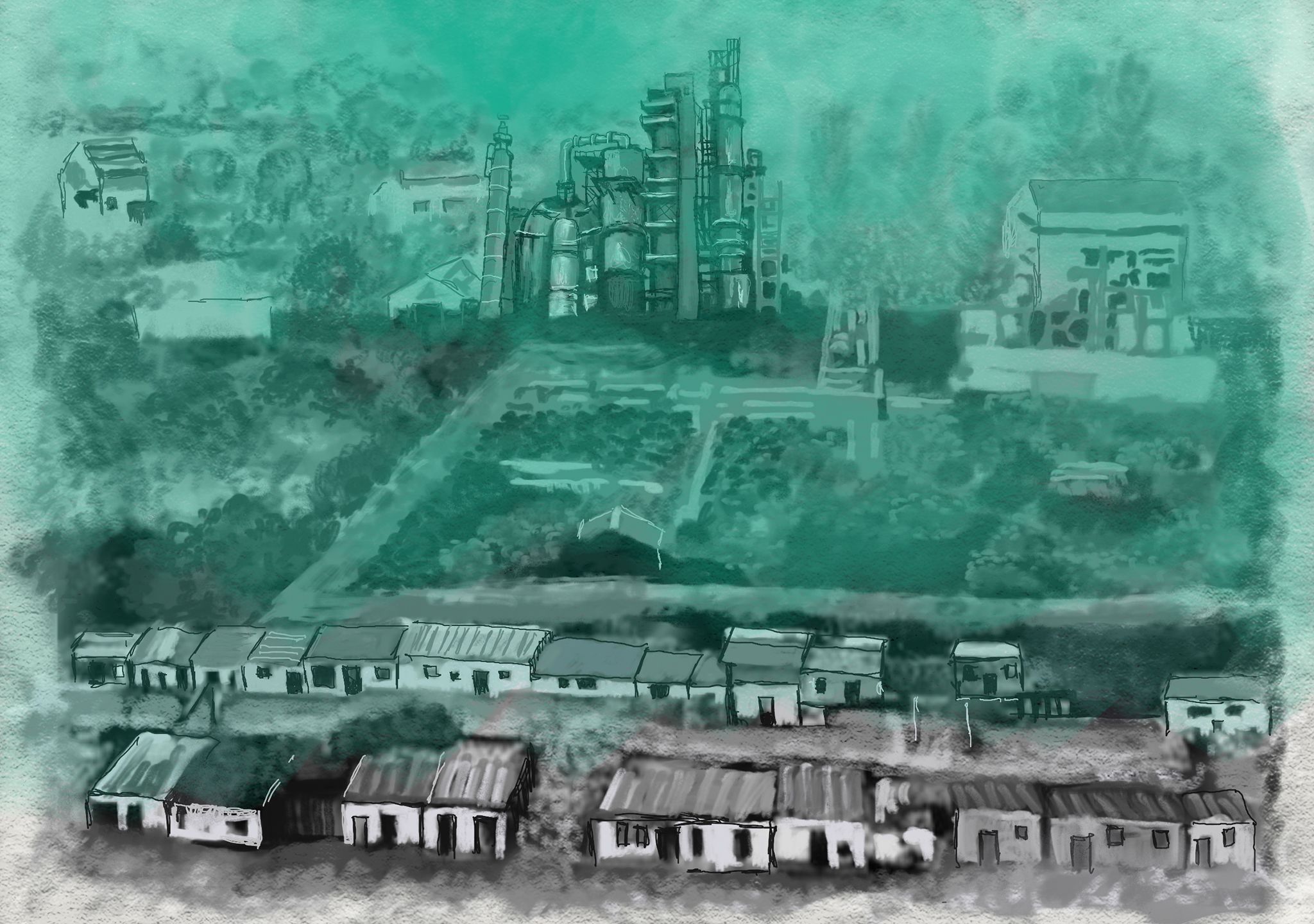
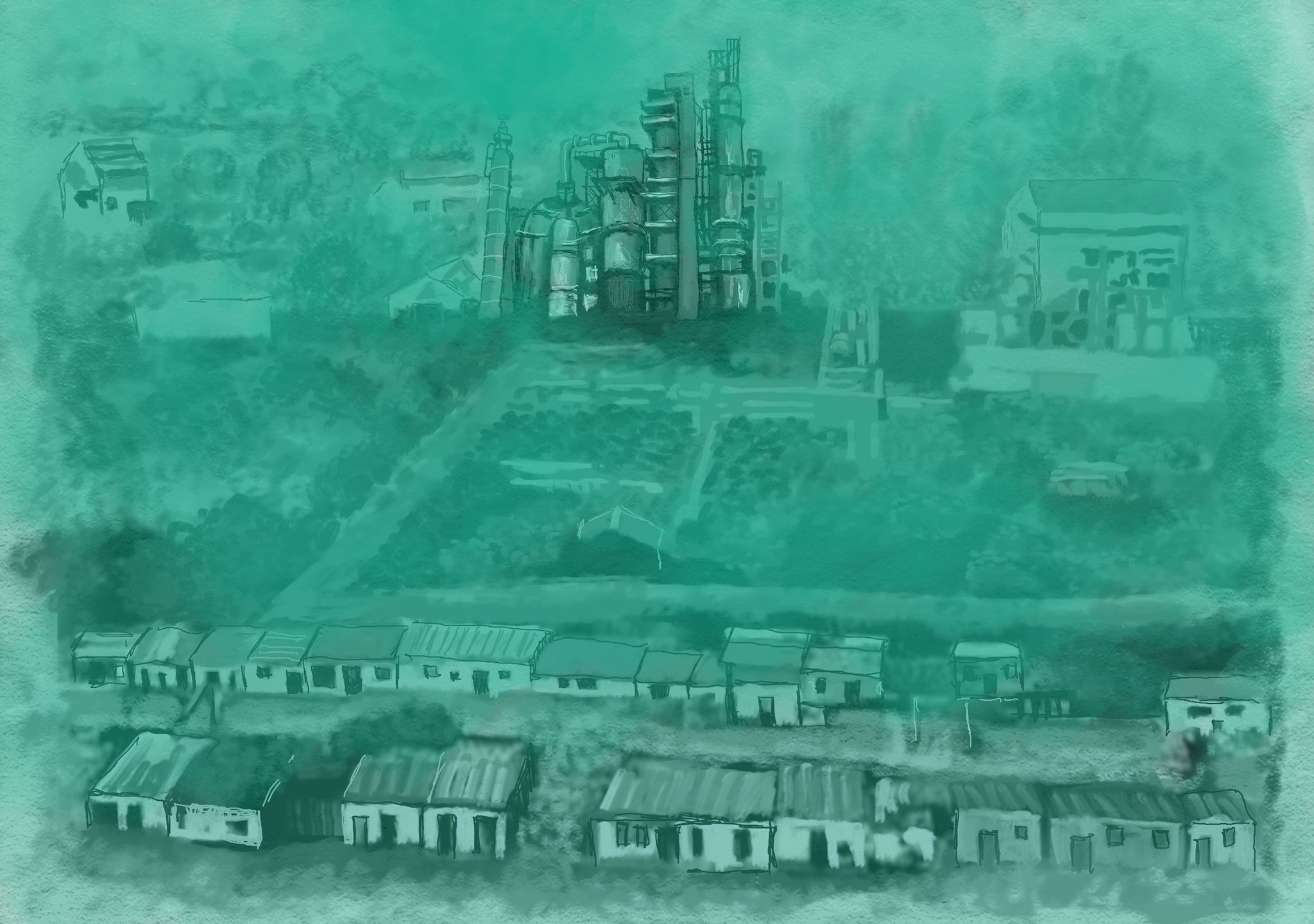
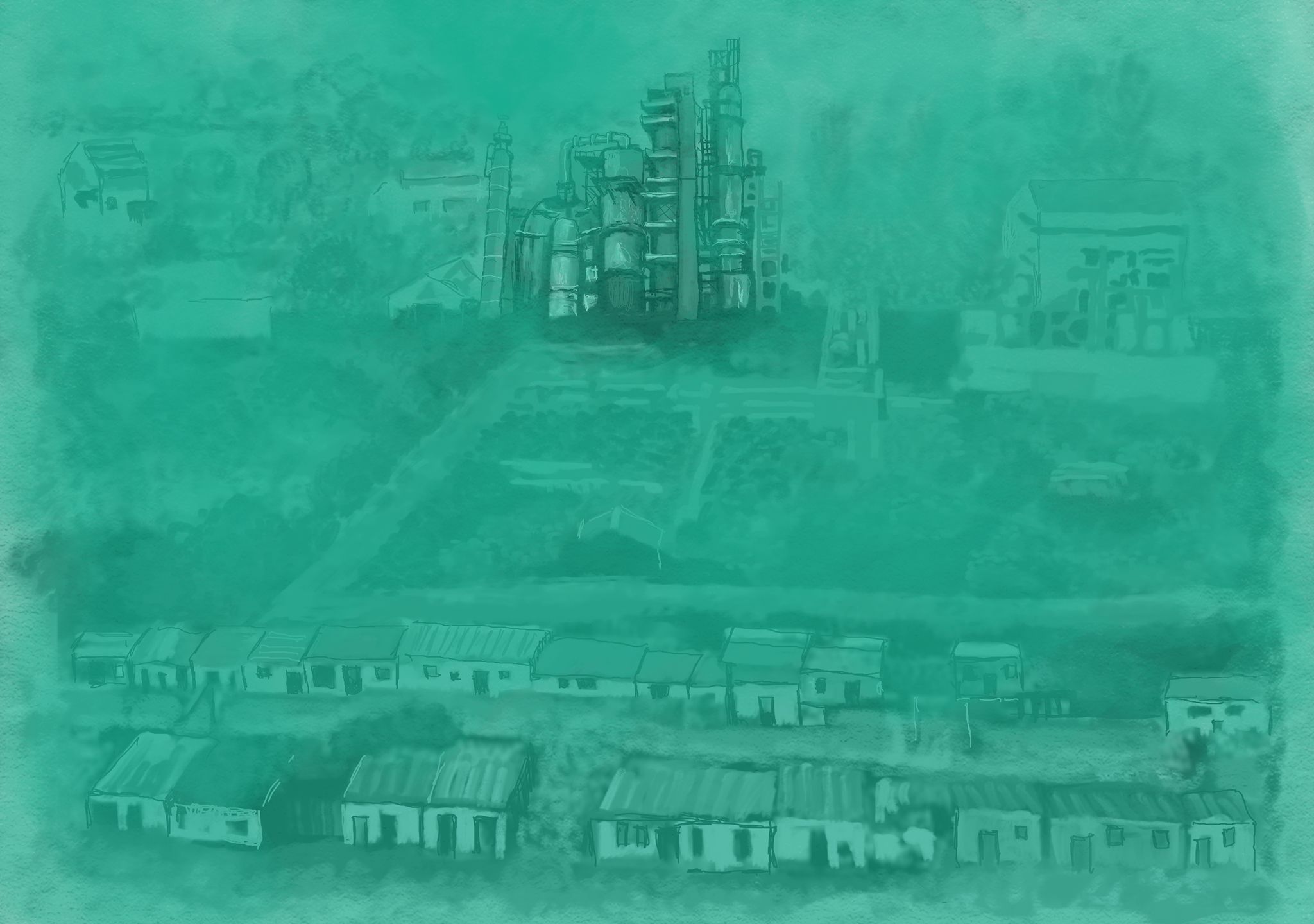



The Union Carbide Gas Disaster
Just after midnight on 3 December 1984, a runaway reaction inside one of the factory's huge steel tanks reached boiling point. Tons of chemical liquid rapidly vaporised.
Intense heat and pressure blasted the gases past a relief valve and into a complex tangle of metal piping. The factory’s six safety systems were unable to contain their frantic flight. The gases swiftly reached a vent and began gushing from a tall smokestack.
The gases swirled and spread, forming a dense cloud that stained the clear night sky. Heavier than air and nudged by a cold breeze, the thick mass drifted down and rolled towards the tightly packed one-storey houses crowded together in the dark across the road from the plant’s main gates.
Homes in which thousands were sleeping were engulfed by a 25-foot high poison cloud.
The gas curled under ill-fitting doors and seeped through narrow gaps in wooden planks and makeshift roofs. People suddenly woke in their beds choking, gasping for breath. They opened their eyes into a darkness full of invisible fire.
'The Union Carbide Gas Leak: 3rd December, 1984'. Drawings by Lynn Wray.
'The Union Carbide Gas Leak: 3rd December, 1984'. Drawings by Lynn Wray.



When the gas leak happened ... we were asleep, and my daughter started crying. It was winter, and as I opened my mouth, I felt as if somebody took a handful of chillies and shoved them in my eyes and throat... We could hear screams from the outside, like "run, run" and cries for help. I started feeling suffocated.
The next day... when we walked in this direction, there was a carpet of dead bodies. We saw entire families lying dead. They all died in their sleep, including their small kids. Then we went this way. The scenes at the road were heartbreaking. There were dead bodies everywhere, as if dead insects were lying on the road.
Over the first 72 hours, at least 8,000-10,000 people were killed, with children and the elderly suffering the most. The chief cause of immediate death was pulmonary oedema: victims were drowned by fluid produced within their own lungs. Other effects included bronchial and nasal lesions, heart attack, spontaneous abortion, blindness, racking cough, concussion, paralysis and signs of epilepsy.
By the time the gas had dispersed, some 573,000 people had been exposed. Local emergency services were utterly overwhelmed. In the first three weeks more than 160,000 people were treated at the city’s hospitals, though there were fewer than 1,800 beds.
Subsequent medical research shows that in Bhopal there is a long-term prevalence of ocular and respiratory illnesses and gynaecological disorders: early age cataracts, diminished vision, breathlessness, persistent cough, chronic obstructive airways disease, uterine bleeding, and high levels of reproductive disorders such as polycystic ovary syndrome. Neurological and neuromuscular affects, such as body aches, tingling limbs, dizziness and loss of motor control, are common symptoms of gas exposure. Due to immunological impacts, diseases such as tuberculosis manifest at three times the national average. Anxiety, memory loss and depression are regularly observed psychiatric effects.
Evidence of second generational effects is now firmly established: some boys born to gas-affected parents suffer growth retardation and girls experience hormonal issues. Forty years after ‘that night’, mortality rates remain 28% higher among the gas-affected, who are twice as likely to die of cancers (primarily of the throat and liver), diseases of the lungs and TB, and three times more likely to die of kidney diseases.



When the gas leak happened ... we were asleep, and my daughter started crying. It was winter, and as I opened my mouth, I felt as if somebody took a handful of chillies and shoved them in my eyes and throat... We could hear screams from the outside, like "run, run" and cries for help. I started feeling suffocated.
The next day... when we walked in this direction, there was a carpet of dead bodies. We saw entire families lying dead. They all died in their sleep, including their small kids. Then we went this way. The scenes at the road were heartbreaking. There were dead bodies everywhere, as if dead insects were lying on the road.
Over the first 72 hours, at least 8,000-10,000 people were killed, with children and the elderly suffering the most. The chief cause of immediate death was pulmonary oedema: victims were drowned by fluid produced within their own lungs. Other effects included bronchial and nasal lesions, heart attack, spontaneous abortion, blindness, racking cough, concussion, paralysis and signs of epilepsy.
By the time the gas had dispersed, some 573,000 people had been exposed. Local emergency services were utterly overwhelmed. In the first three weeks more than 160,000 people were treated at the city’s hospitals, though there were fewer than 1,800 beds.
Subsequent medical research shows that in Bhopal there is a long-term prevalence of ocular and respiratory illnesses and gynaecological disorders: early age cataracts, diminished vision, breathlessness, persistent cough, chronic obstructive airways disease, uterine bleeding, and high levels of reproductive disorders such as polycystic ovary syndrome. Neurological and neuromuscular affects, such as body aches, tingling limbs, dizziness and loss of motor control, are common symptoms of gas exposure. Due to immunological impacts, diseases such as tuberculosis manifest at three times the national average. Anxiety, memory loss and depression are regularly observed psychiatric effects.
Evidence of second generational effects is now firmly established: some boys born to gas-affected parents suffer growth retardation and girls experience hormonal issues. Forty years after ‘that night’, mortality rates remain 28% higher among the gas-affected, who are twice as likely to die of cancers (primarily of the throat and liver), diseases of the lungs and TB, and three times more likely to die of kidney diseases.
After the factory was abandoned, we started smelling the contamination in the water... it was like you were drinking the factory.
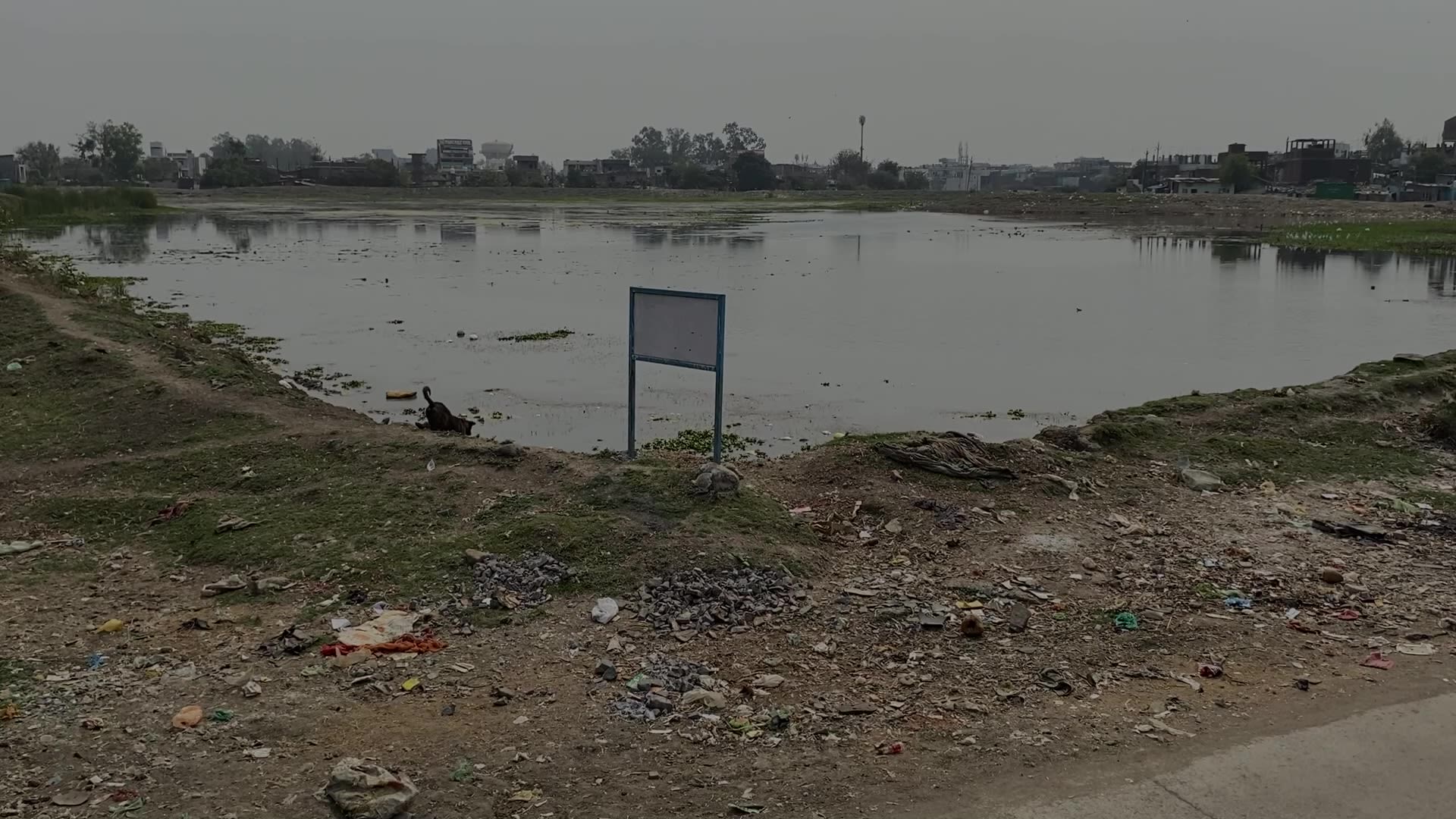

The Union Carbide Water Disaster
After the gas leak, and despite the thousands of families suffering the health effects of the gas, Union Carbide abandoned the factory and refused to clean up the toxic waste. The population around the factory site increased as the land was sold off cheap to landlords, who built houses there or sold land to local people to build their own.
The factory water was green. And when that water would flow from here, it used to smell really bad... Maybe it was due to the chemicals they were making there. God knows why the water was like that. It was so green as if green dye was mixed in it.
Water pumps were installed that drew on groundwater contaminated by the factory’s chemical waste. Residents grew concerned about the water’s colour and offensive smell, and noticed damage to the vessels and utensils that came in contact with it.
The water was very raw here, and it was very salty. All my utensils would get black... The colour of the water was weird. And when you took it in a glass, there was something settled at the bottom. You never had the heart to drink that water.
Over time, people realised that their health was being affected by the water.
This is an old story, but there is a particular smell in the water here… If you drink the water, you can smell a particular odour in it… We used to drink it before we knew about the pollution. So, we used to fall ill frequently. There was weakness in our bodies.
The communities affected by the contaminated groundwater included those ravaged by the gas and, later, those in new colonies built near the hazardous factory site. Over the years, the health effects of groundwater contamination became more and more apparent, and residents connected the vile smell and taste of the groundwater and the damage done to human bodies to the abandoned toxic waste.
Right from the beginning, the water contamination has caused illnesses in most of the families around here. People have knee problems, chest pain, or stomach aches.
With no prospect of compensation or support from Union Carbide or the Indian government, affected communities had no alternative but to use collective action to demand clean water. People petitioned the local government, and in 1990, the Bhopal Group for Information and Action organised citizen science sampling of the water from the solar evaporation ponds and community wells in JP Nagar, which was tested by the Citizens’ Environmental Laboratory in Boston. These tests confirmed that the survivors’ observations about the water were correct: the samples were contaminated with highly toxic materials, including dichlorobenzenes and trichlorobenzene.
We took that water to the minister many times for him to examine. We took the water in bottles to the municipal corporation too. Their officials came here many times. They sent the water for tests.
All the hand pumps were then labelled that this water is not drinkable. So, that water supply was shut down.
Hand pumps were painted red to warn residents of the toxins and were eventually decommissioned. But without a reliable alternative water supply, many people had no choice but to continue to drink the contaminated water. The fight for justice continued.

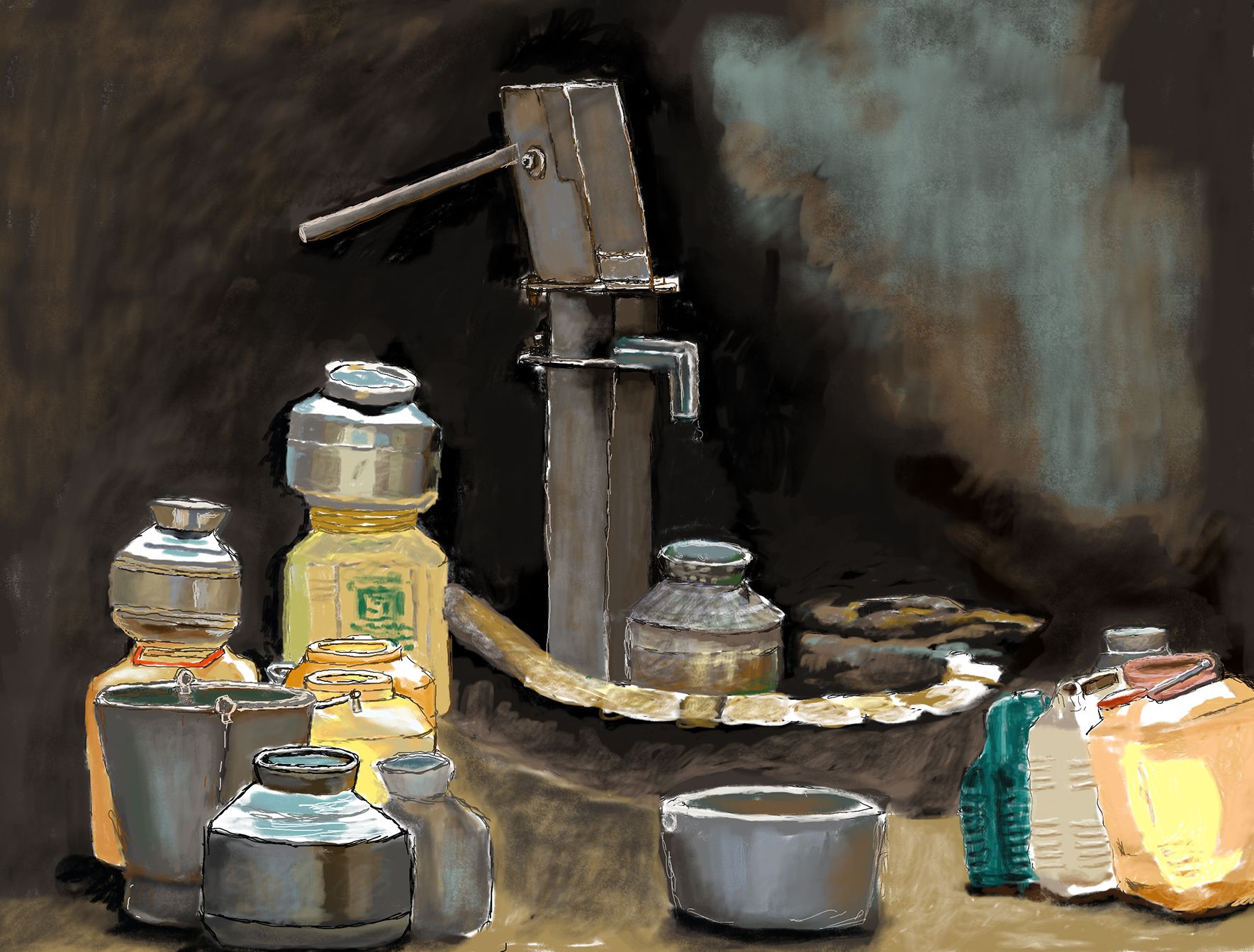
Decommissioned hand pumps in JP Nagar, Bhopal. They were painted red to mark them as hazardous to human health. Drawing credit: Lynn Wray.
Decommissioned hand pumps in JP Nagar, Bhopal. They were painted red to mark them as hazardous to human health. Drawing credit: Lynn Wray.
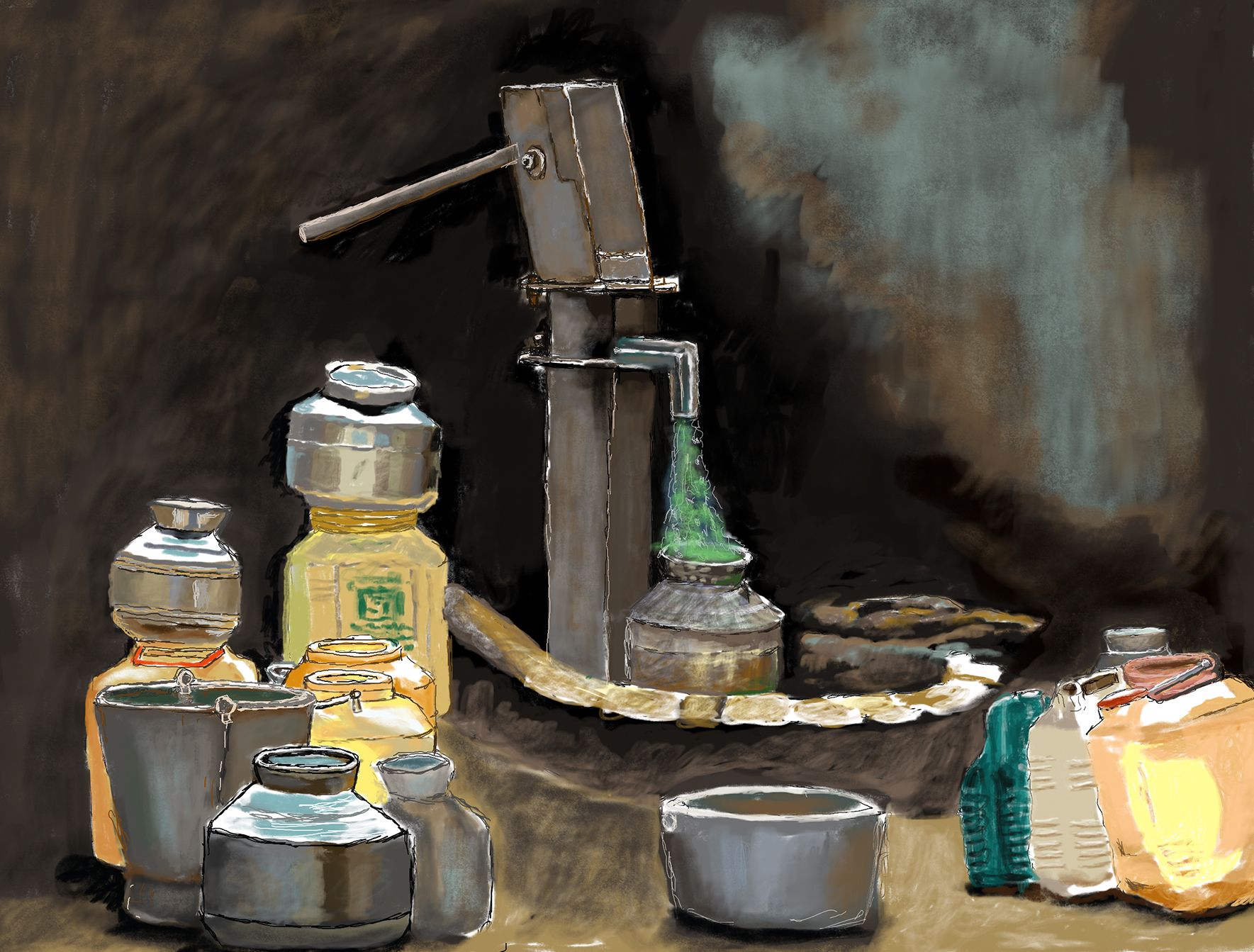
Decommissioned hand pumps in JP Nagar, Bhopal. They were painted red to mark them as hazardous to human health. Drawing credit: Lynn Wray.
Decommissioned hand pumps in JP Nagar, Bhopal. They were painted red to mark them as hazardous to human health. Drawing credit: Lynn Wray.
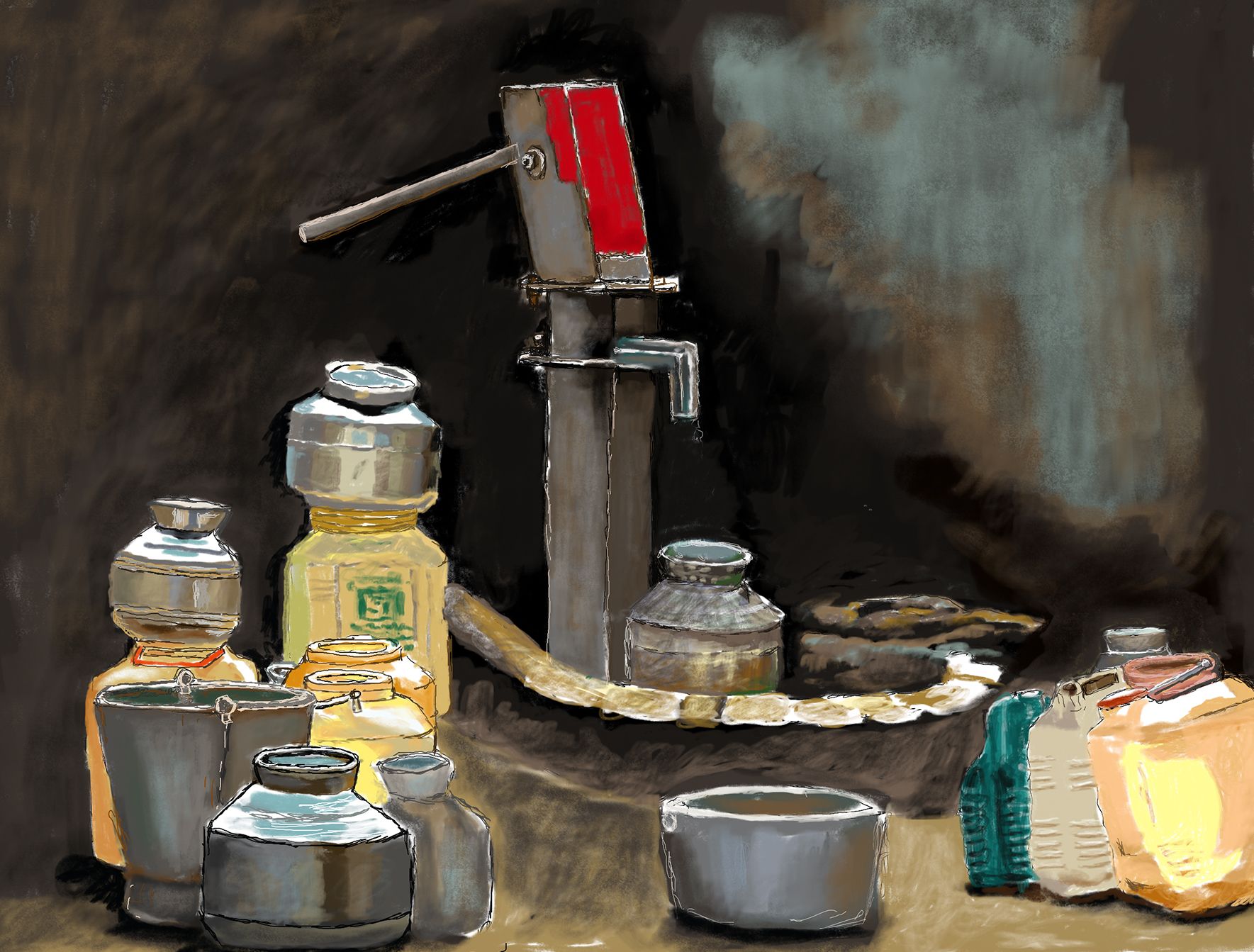
Decommissioned hand pumps in JP Nagar, Bhopal. They were painted red to mark them as hazardous to human health. Drawing credit: Lynn Wray.
Decommissioned hand pumps in JP Nagar, Bhopal. They were painted red to mark them as hazardous to human health. Drawing credit: Lynn Wray.
The Survivors' Campaigns for Clean Water
Change to the water infrastructure did not come because people were citizens and the government wanted to assist them. It happened because survivors became activists and fought for it.
Water-affected communities began staging protests to raise awareness about the contamination and secure help from the Madhya Pradesh State Government. When these actions were ignored, survivor organisations used the results of water studies undertaken in the 1990s by international organisations, such as Greenpeace, to bring a case for the provision of clean water before the Indian courts.

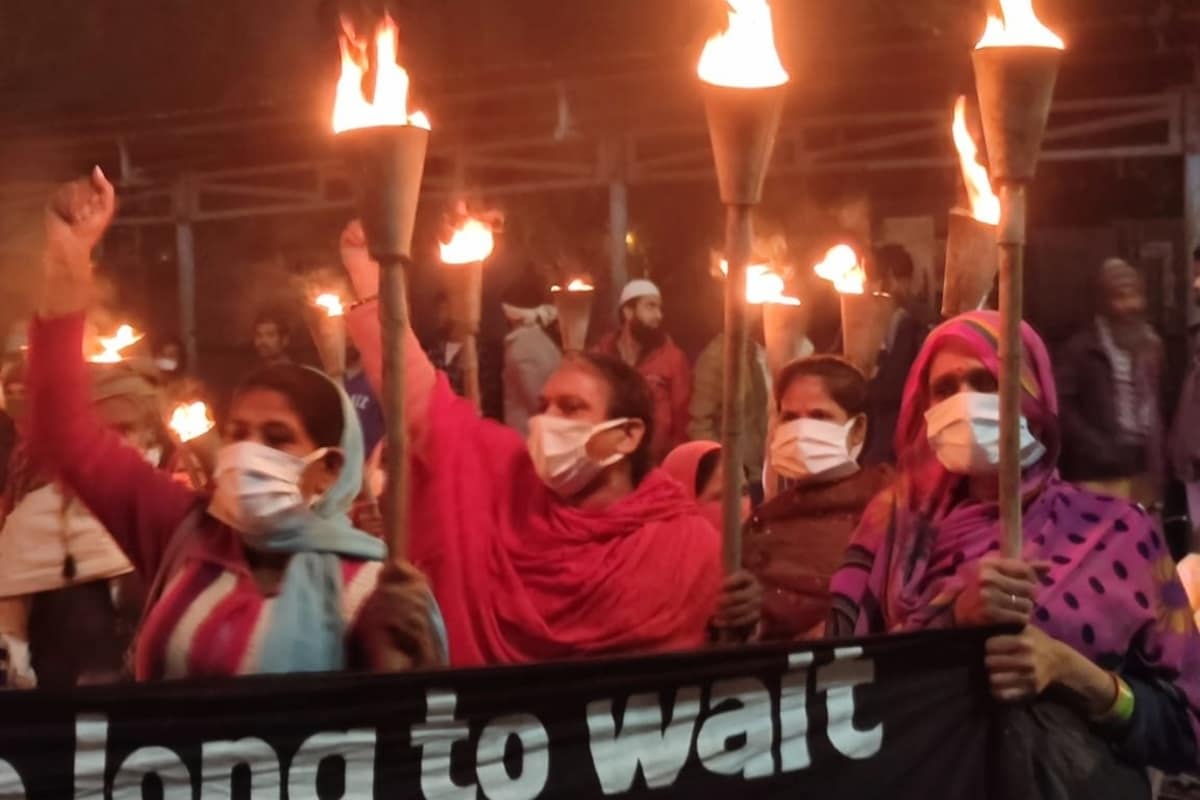
March on the 37th anniversary of the Bhopal Gas Disaster, 3rd December 2021. Photograph appears courtesy of the Bhopal Medical Appeal.
March on the 37th anniversary of the Bhopal Gas Disaster, 3rd December 2021. Photograph appears courtesy of the Bhopal Medical Appeal.
In 2004, after more than a decade of campaigning, the Supreme Court of India ruled that the Central Government must provide a source of clean water to residents in affected communities. Responsibility for the delivery of clean water was ultimately passed back to the State Government of Madhya Pradesh. When, after two years had passed and nothing had been done, the survivor groups once again took action.
In 2006, dozens of survivors of all ages embarked upon a padayatra, an epic people’s march of more than 400 miles, from Bhopal to the seat of the Indian Parliament in Delhi, to confront then Prime Minister Manmohan Singh and demand the safe water they had been promised. They left with assurances that once again amounted to empty promises. In 2008, they marched again, this time coupled with hunger strikes.
Our demand for clean water is what took us on a padayatra to Delhi... It took us 38 days... Because of that, every house here has a tap connection now.

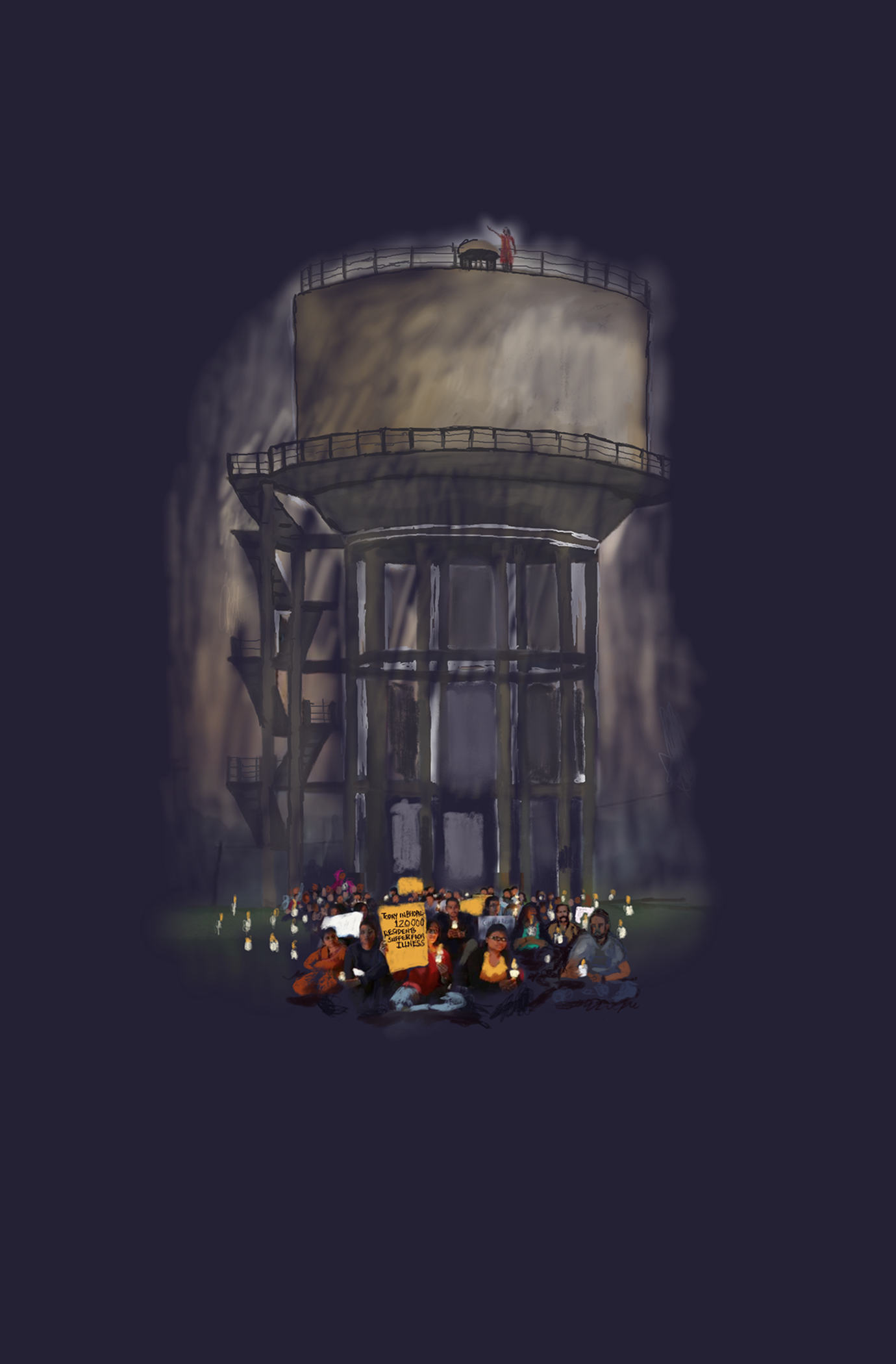

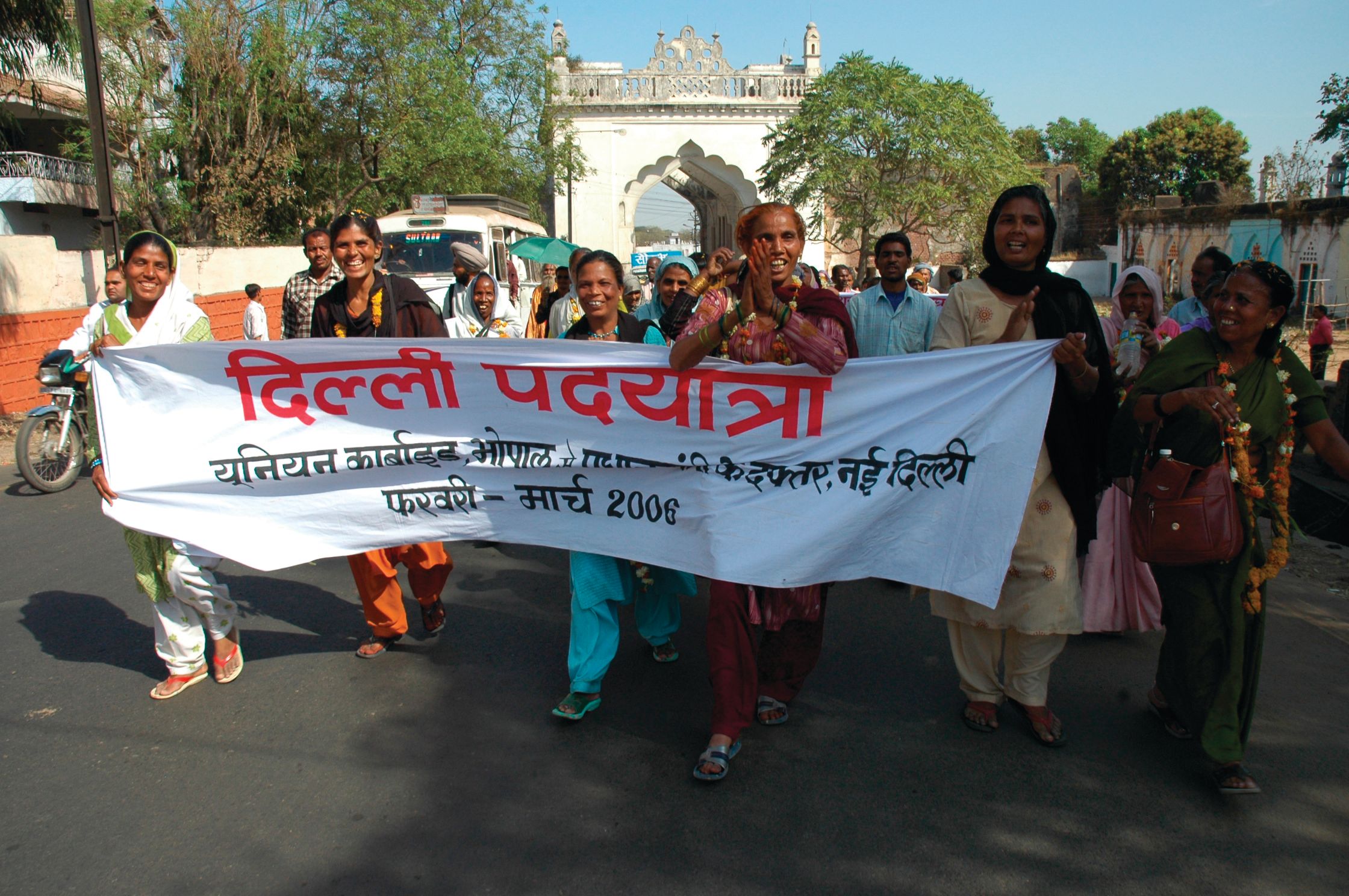

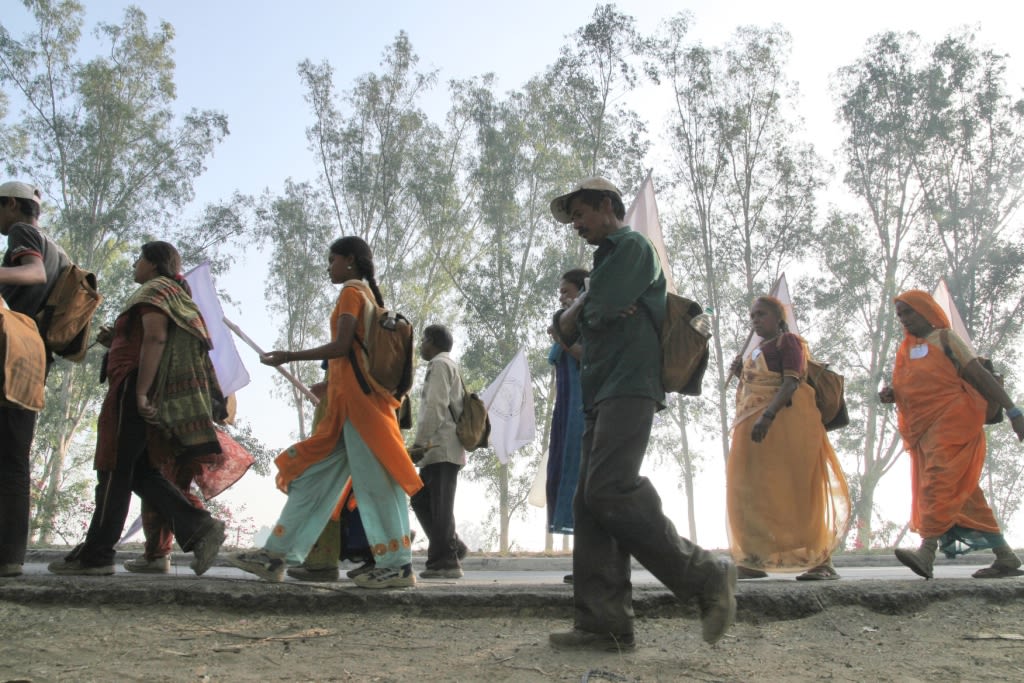

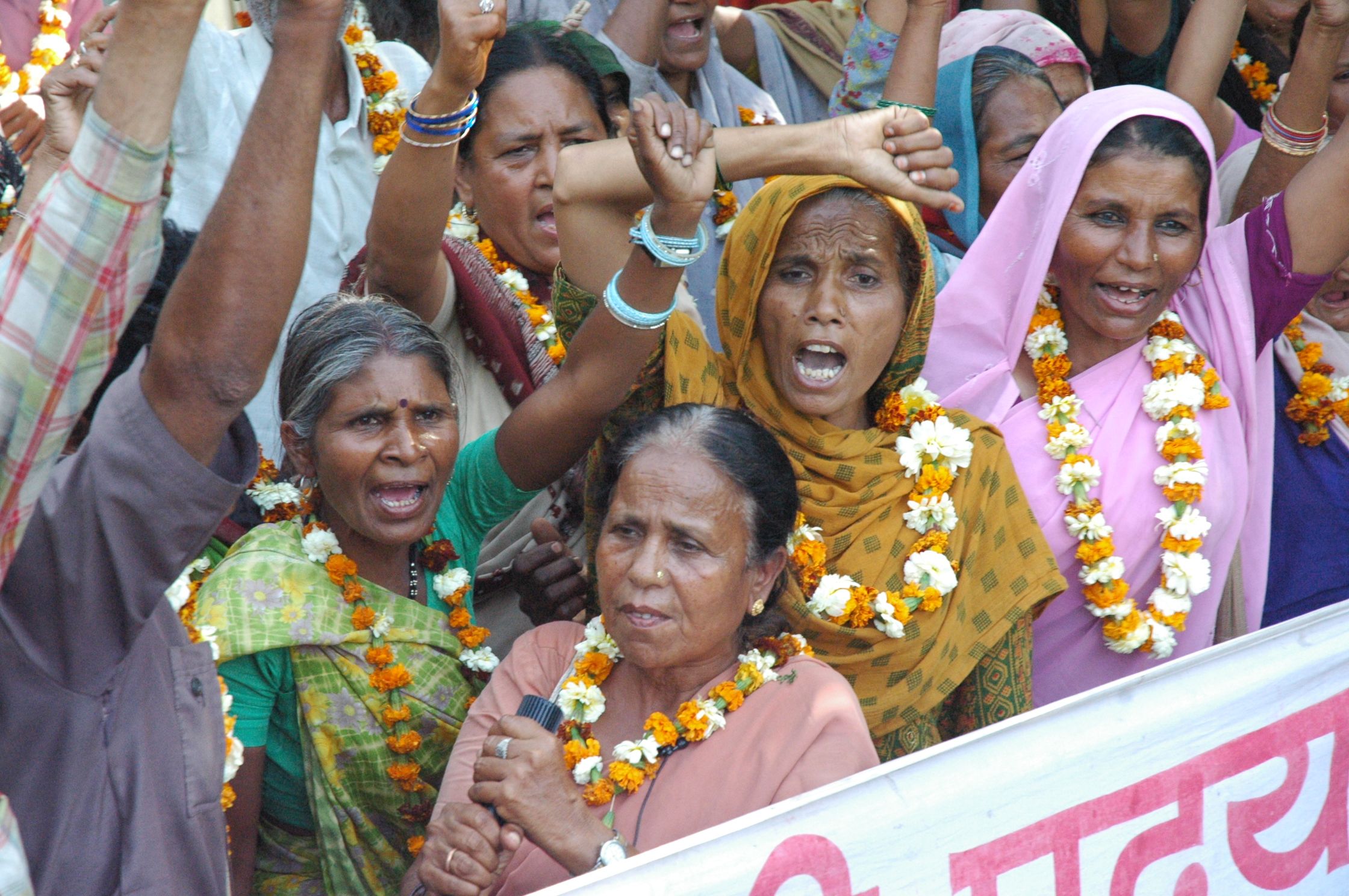

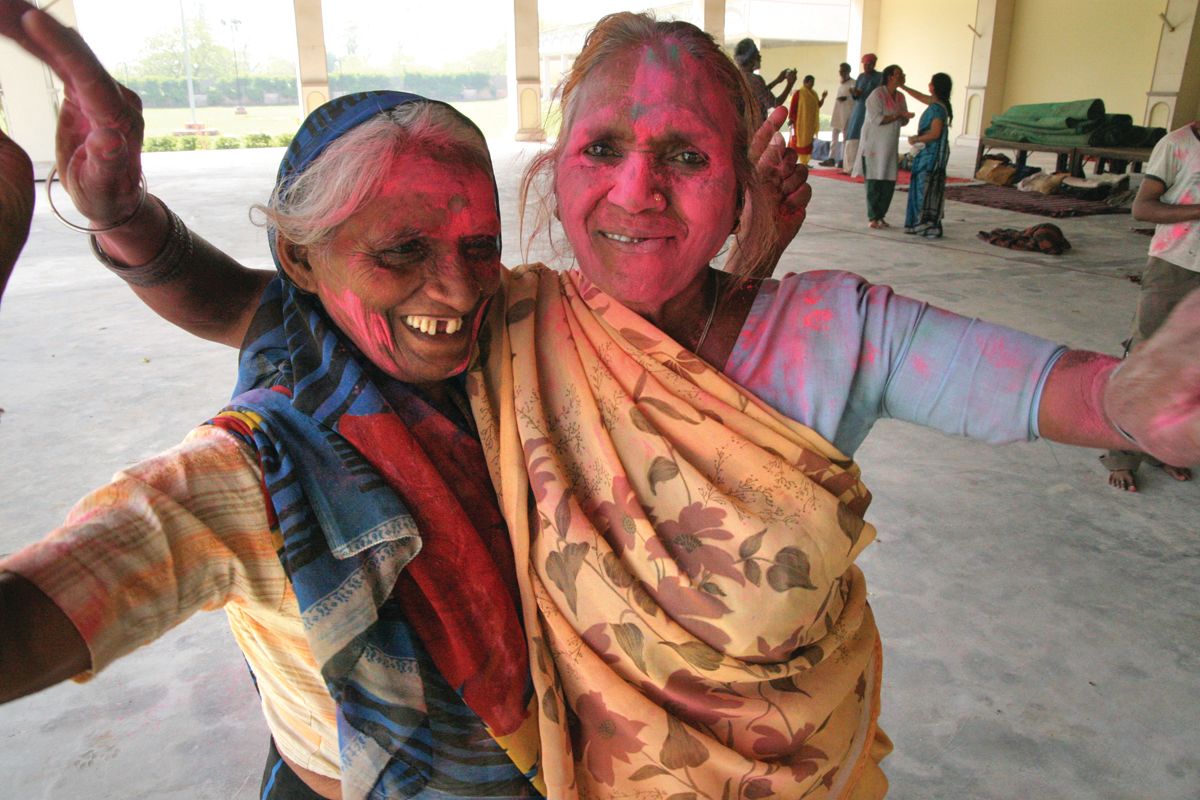

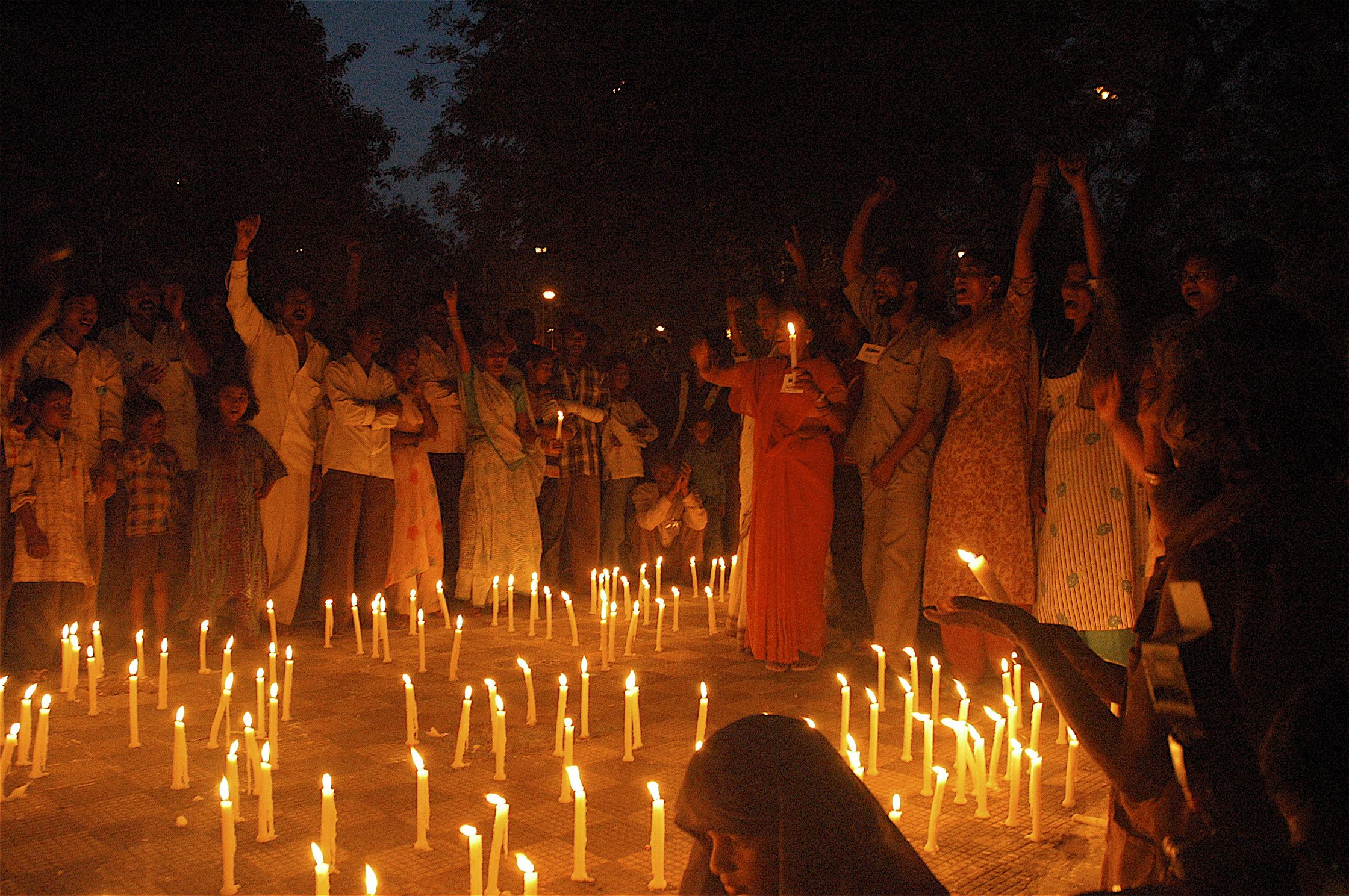
I went for the padayatra twice... It took us about a month. [One of our] demands that we wanted fulfilled… was clean water and one of them was housing for gas affected. And the other one was jobs for us that we could actually do...
But it took a long time for us to walk to Delhi. A month, can you imagine a month of walking every single day for 600 kilometres to demand clean water...
You know our feet were full of blisters, we were in a lot of pain, we'd walked 600 kilometres to demand clean water...
We used to make food, we used to press each other's legs, we used to massage each other's painful legs because that was the only way we were able to look out for each other.
And then we would sleep and then wake up again and walk to demand water… Every day we would walk 30-35 kilometres in one day.
By 2009, thanks to the tireless activism of campaigners, plastic water tanks were finally delivered to most neighbourhoods known to be affected at that time. Initially filled by deliveries from water trucks, infrastructure was later developed to provide free piped water from surrounding lakes and reservoirs directly to the tanks.

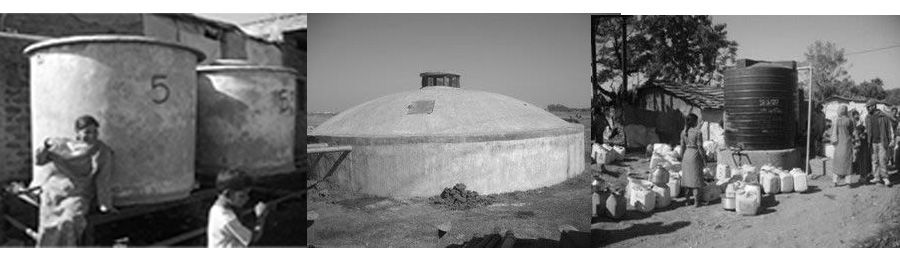
Left to right: concrete water tank, concrete sunken bore well, Duraplast water tank. Photographs appear courtesy of the Bhopal Medical Appeal.
Left to right: concrete water tank, concrete sunken bore well, Duraplast water tank. Photographs appear courtesy of the Bhopal Medical Appeal.
However, into the present day the supply is unreliable, tank capacity inadequate, pipes are prone to damage, and communities have been plagued by infrastructure issues.
Now there are taps in our houses. And the water comes from the lake, but even that water is smelly sometimes... We get water every alternate day ... [for] about one hour.
Some new tanks and pumping stations continue to draw from the toxic groundwater. As a result, safe water remains unavailable in many affected communities.

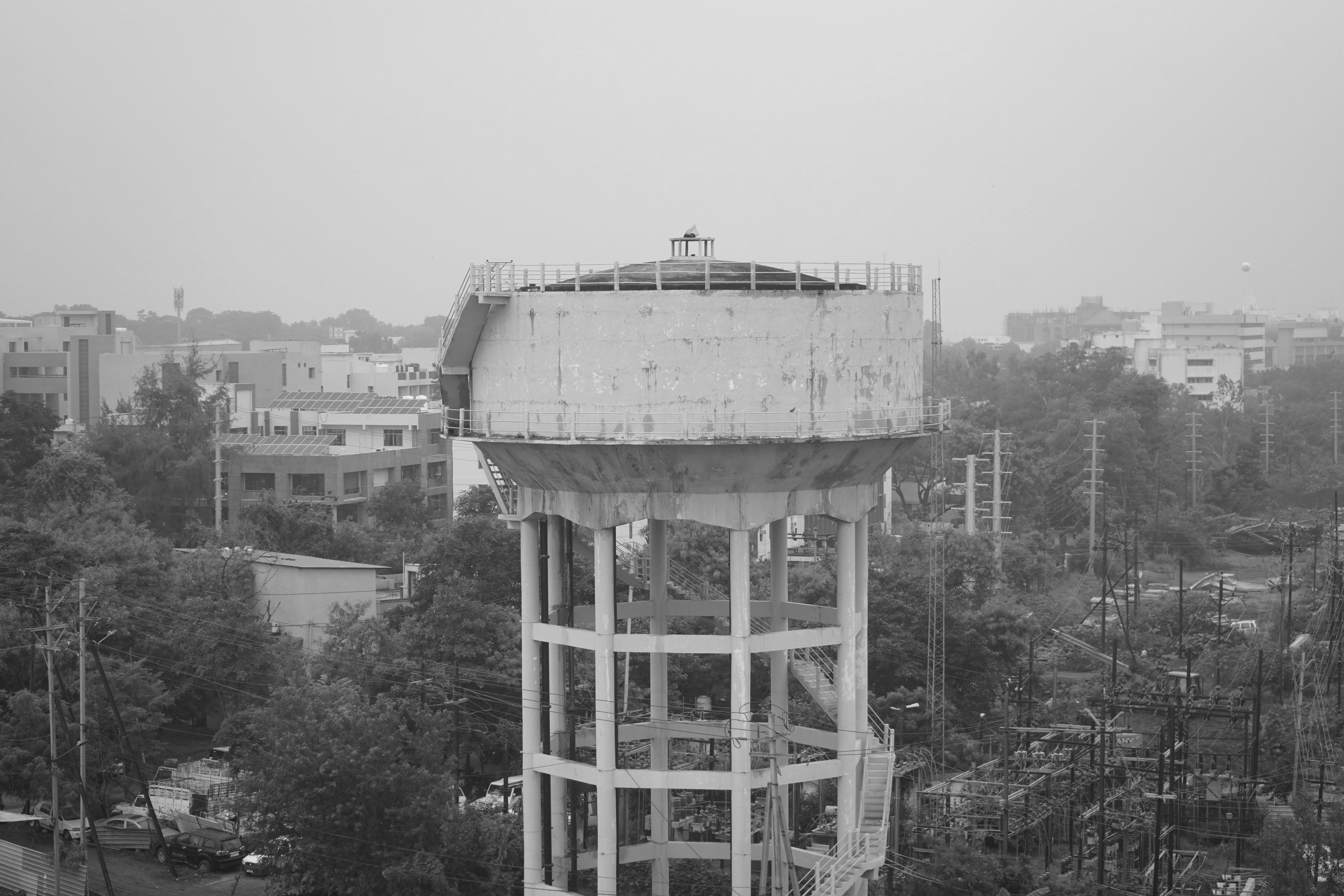
Overhead water tank, Bhopal. Image credit: Lynn Wray.
Overhead water tank, Bhopal. Image credit: Lynn Wray.
The water still has the same problems. It is dirty. It stinks... The pipelines are now damaged at many places. The water is so dirty, it has even sewer water mixed in it.

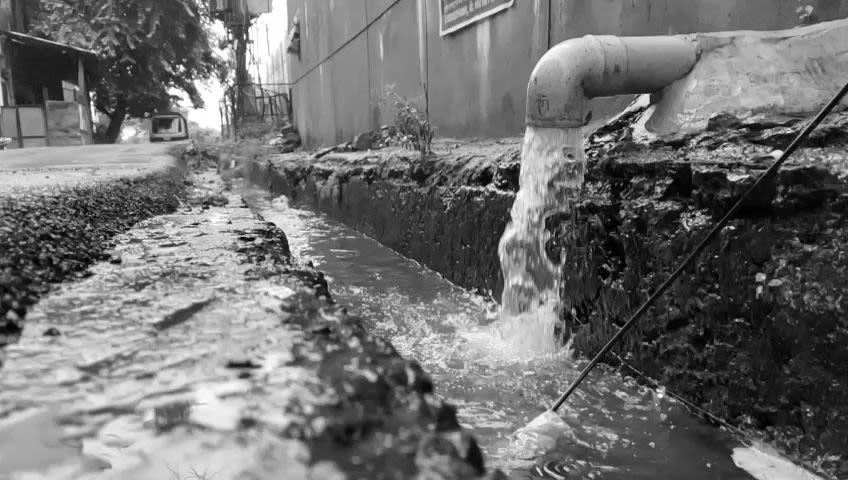
Water pipe in Bhopal. Photograph appears courtesy of the Bhopal Medical Appeal.
Water pipe in Bhopal. Photograph appears courtesy of the Bhopal Medical Appeal.
Meanwhile, the factory chemicals continue to spread. Survivor organised testing has indicated that in the past ten years, the contamination has reached an additional 27 neighbourhoods. Piped water has not yet been made available in any of these communities.

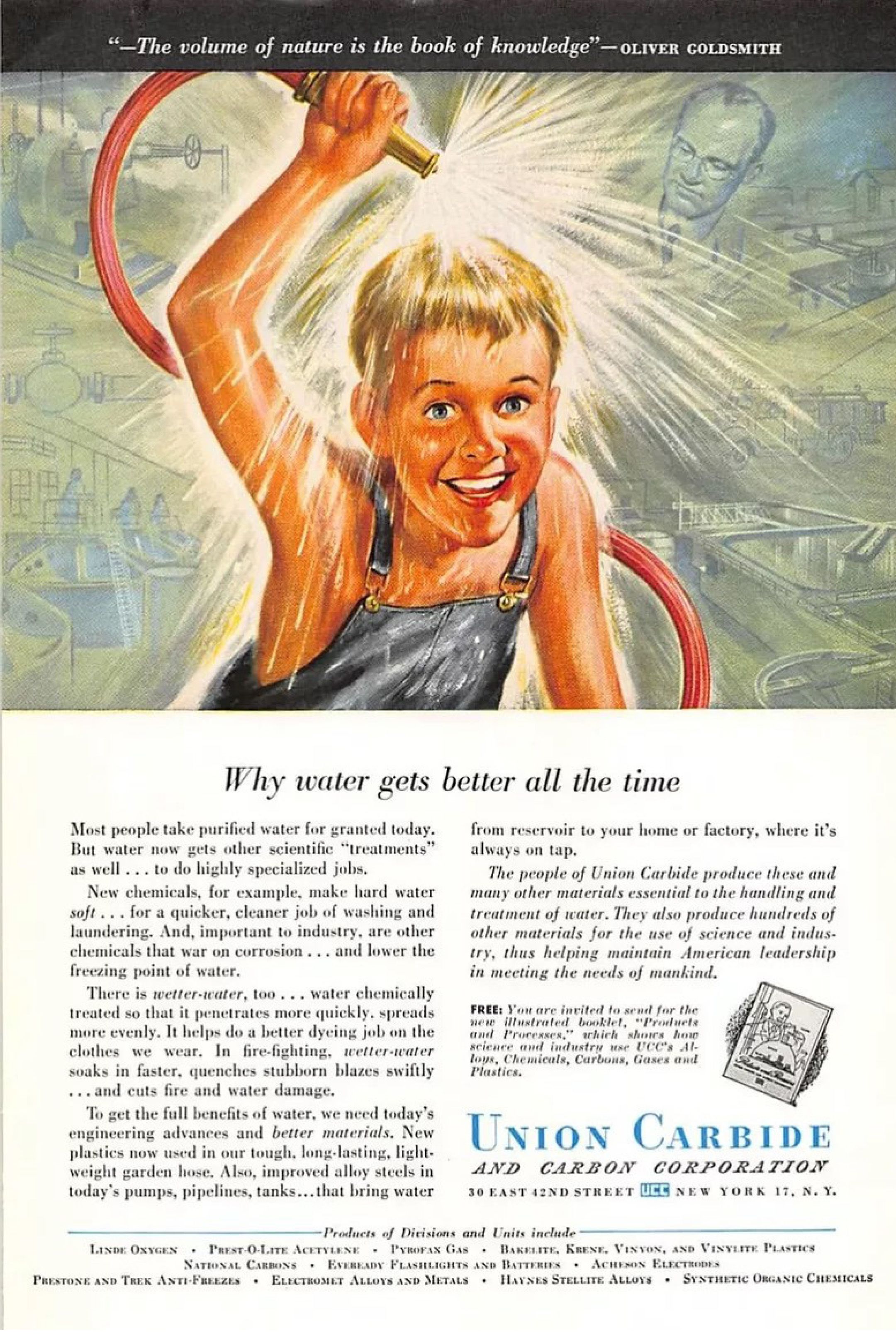
‘Why Water Gets Better All the Time’. Union Carbide advertisement, 1957.
‘Why Water Gets Better All the Time’. Union Carbide advertisement, 1957.
There are now 42 recognised water-affected areas, but it is estimated that around 70 communities may currently be exposed to contaminated groundwater. Efforts to map the extent of water-affected communities are ongoing. This map shows the approximate outline of the 42 recognised affected communities and their relationship to the factory site and solar evaporation ponds.
Next to the factory there was a big lake. Poisonous water, poisonous stuff used to be pumped into that big lake. Then spread to our wells. Our tube wells. And that affected all the groundwater around the lake and all the areas here. The water stank a lot. It was undrinkable water. You could not drink it.
The dirt that came out of the factory went back into the ground. That dirt went through the ground, mixed in with our drinking water. That was the water we got to drink from. That was the water that was supplied to us.
Resident of JP Nagar colony
About the poison in this water, let me tell you something. Behind our house, there were lakes of Union Carbide. And there were security guards posted there 24 hours a day. And what we saw was that dogs, bitches, male cats, female cats, or any birds would never come to those lakes and drink water from there. No goats, no buffaloes, nobody. They would never put their mouths in that water. We saw this with our own eyes.
Resident of Blue Moon colony
First we should ask [the owner of the factory] why did he do this? Why did he do this? And why did he created this chemical? Why did he contaminate the water with the chemicals? […] And then he should be punished as well.
Resident of Shiv Shakti Nagar
I could not drink the water at all when I first arrived here. Then slowly I got used to it. The water was really really bad. We had to get water from outside in plastic containers. Those people who had water from Kolar [Dam], we used to go to their house and take water from them.
Resident of JP Nagar colony
We used to be well in the past, but we are unable to live well now. Earlier, life was pretty good. There were no illnesses, no health problems. I have never had a single injection. I didn’t even have to take a single medication. Now I have to live life counting each second, be careful about everything. If we are drinking water, we have to be cautious about it. It is contaminated. And being affected by the gas, we have had illnesses anyway. But since we have been water affected, we have even more problems. We are not able to get our children healthy... We keep wondering how to save our children from the jaws of death. Our little kids. This whole area is facing the same problems.
Resident of Kainchi Chola
When we came to live here, the roads were all unmade and there was a hand pump here for the water supply. .. there were a lot of water problems, because there was only one hand pump in this whole area... There was just one hand pump for about four to five colonies. Imagine such a large population with one hand pump... The water had a slight smell... The smell of gas. .. if we stored that water in the pots, the pots used to get froth in them.
Resident of Preet Nagar colony
Sometimes the water is dirty and sometimes it has stuff in it... There's water every alternate day... the water comes for one hour... The lines are broken at many places. We’d go to the tanki and complain, but nobody really listens. A line has been dug up nearby for the last four days. All the rubbish is falling into it. That’s the same water we are drinking.
Resident of Nawab colony
I’m 70 years old. Do you think I will be able to carry water? When the tap water wasn’t here, I filled up water. My neck bent. I couldn’t get up all day. I can’t even walk two steps, without the help of my daughter or son... No guests wants to come here. They say "water is bad at your place".
Resident of Brij Vihar colony
Brij Vihar's Ongoing Water Problem
The impact of the water contamination is challenging to prove. Communities have been left with the burden of proof, as Dow Chemical (owners of Union Carbide) and local and national government have refused to commission the large-scale health studies needed to establish causality between groundwater contamination and widespread health problems. However, the impacts are felt and seen by people living in water-affected communities. They have observed visible changes over time to the water vessels they use every day and felt the impact of toxins on their own bodies.
The situation in Brij Vihar colony demonstrates the ongoing issues that many communities face. A new colony established in 2007, many families moved to Brij Vihar uninformed that their groundwater supply was contaminated, and have since developed serious health conditions.
The water has destroyed us... The water here has made our kids ill... [We were] very healthy. Now our health is ruined.
Brij Vihar is part of a designated water-contaminated area, entitled to clean drinking water, and yet the provision of water tanks has not guaranteed access to a reliable water supply. There is not enough water to go round, meaning people have no choice but to drink contaminated bore well water. Those families who can are moving away. Those who remain are locked in negotiations with the local government, demanding a basic human right: access to clean water.
We have a huge water problem. We need a tap in every house.

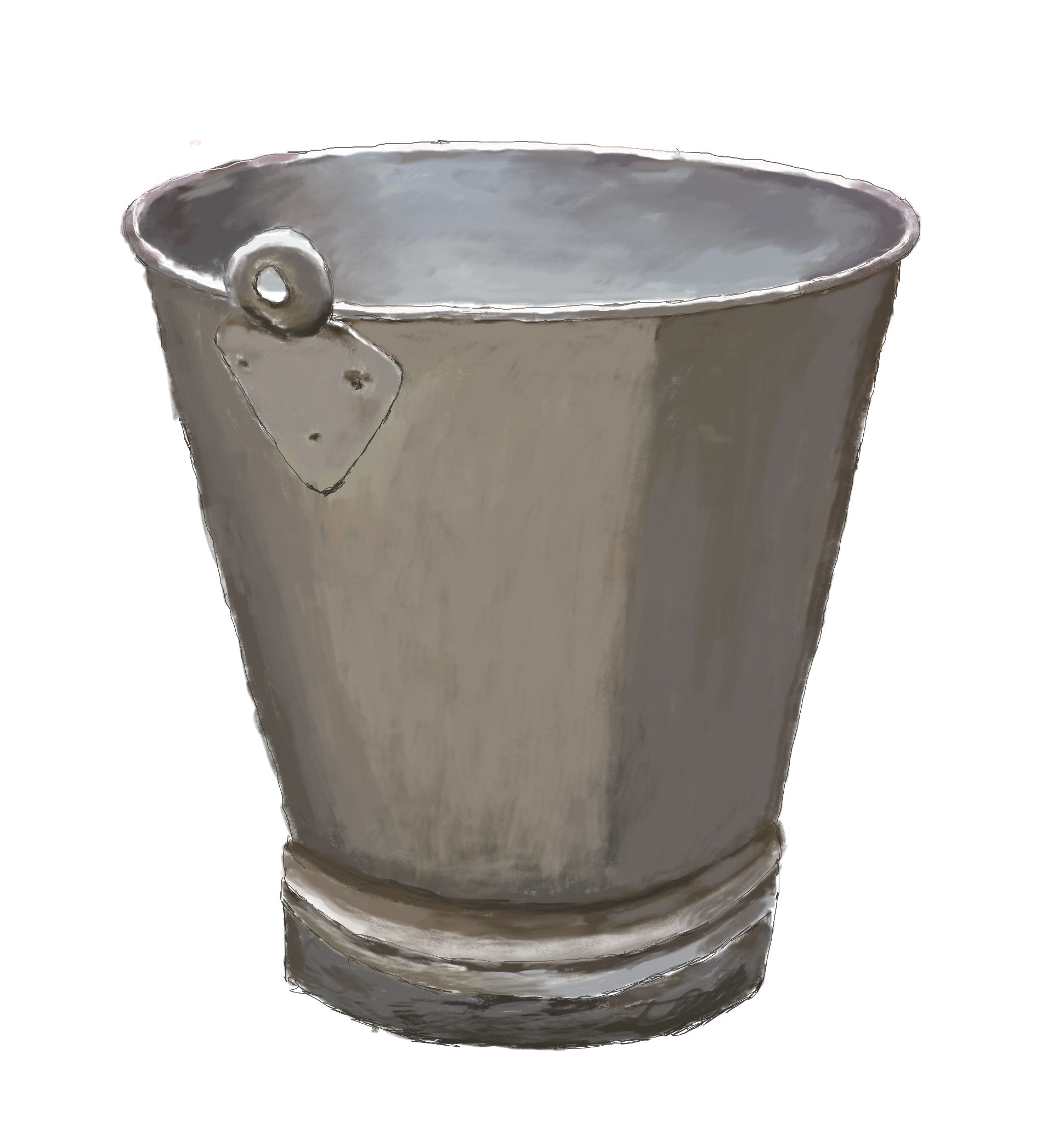
‘Impact of Water Contamination on One Bucket in Brij Vihar, Bhopal’, 2023. Drawing credit: Lynn Wray.
‘Impact of Water Contamination on One Bucket in Brij Vihar, Bhopal’, 2023. Drawing credit: Lynn Wray.
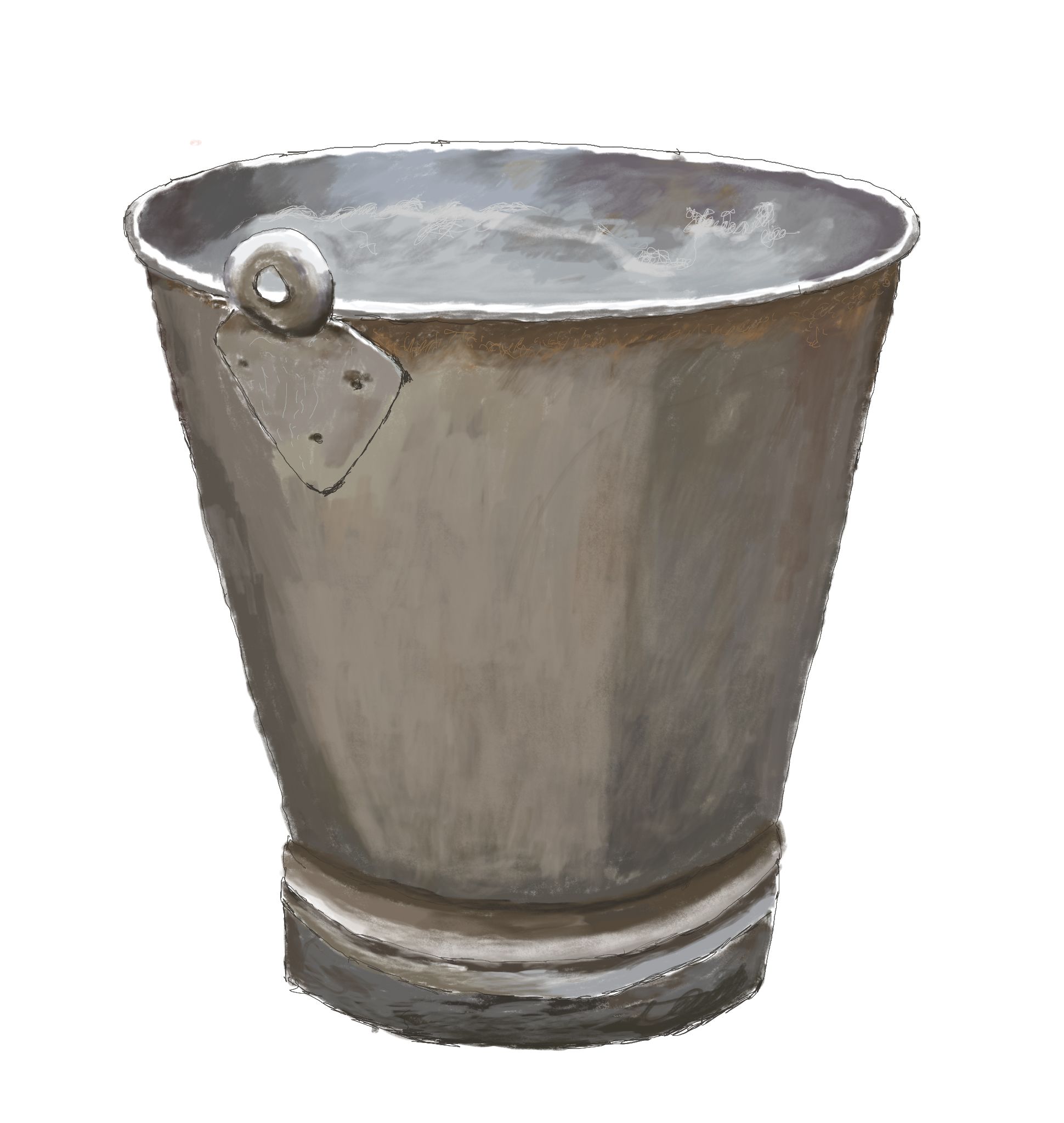
‘Impact of Water Contamination on One Bucket in Brij Vihar, Bhopal’, 2023. Drawing credit: Lynn Wray.
A bucket belonging to the Pandey family, Brij Vihar Colony, Bhopal
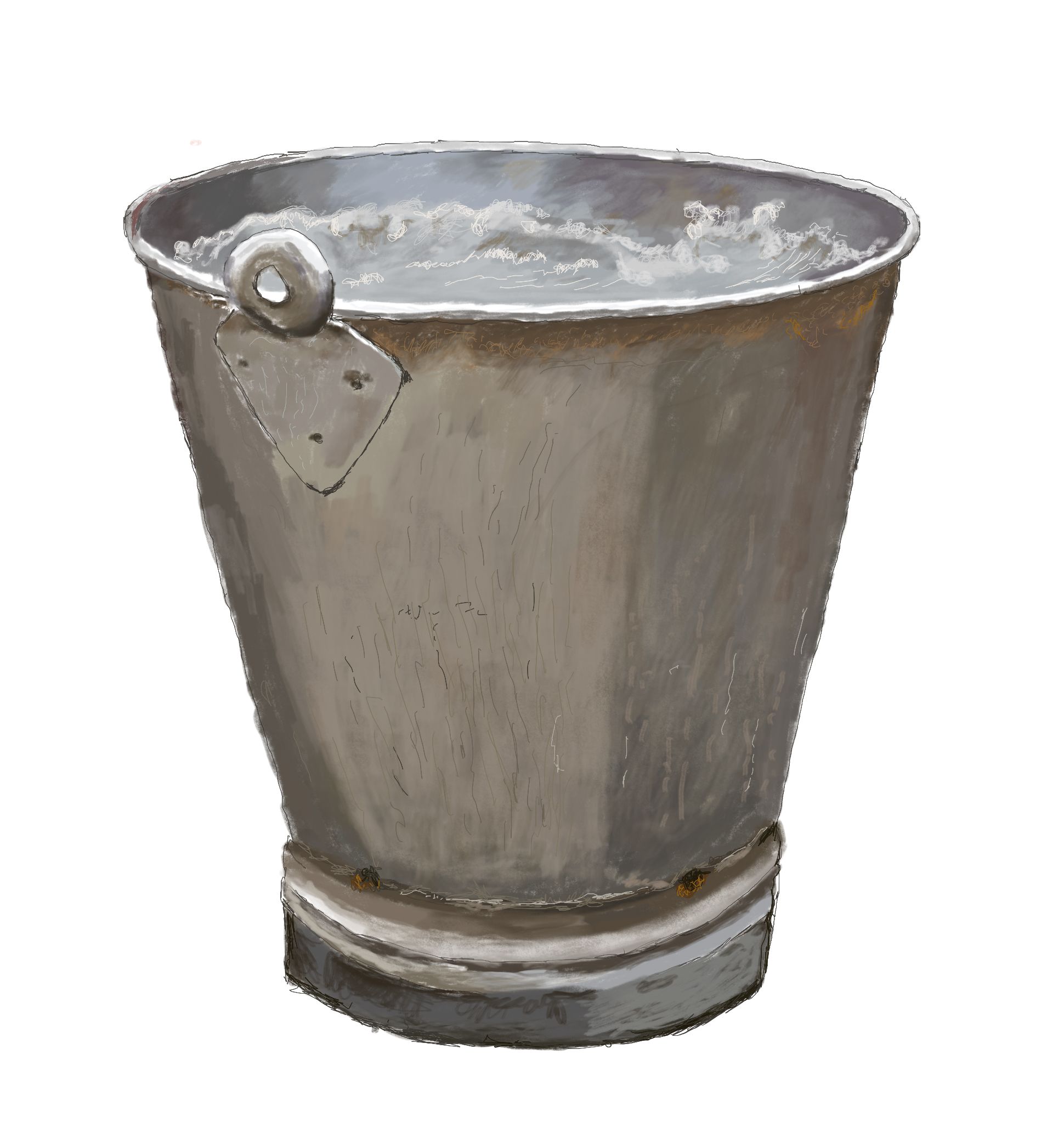
‘Impact of Water Contamination on One Bucket in Brij Vihar, Bhopal’, 2023. Drawing credit: Lynn Wray.
‘Impact of Water Contamination on One Bucket in Brij Vihar, Bhopal’, 2023. Drawing credit: Lynn Wray.
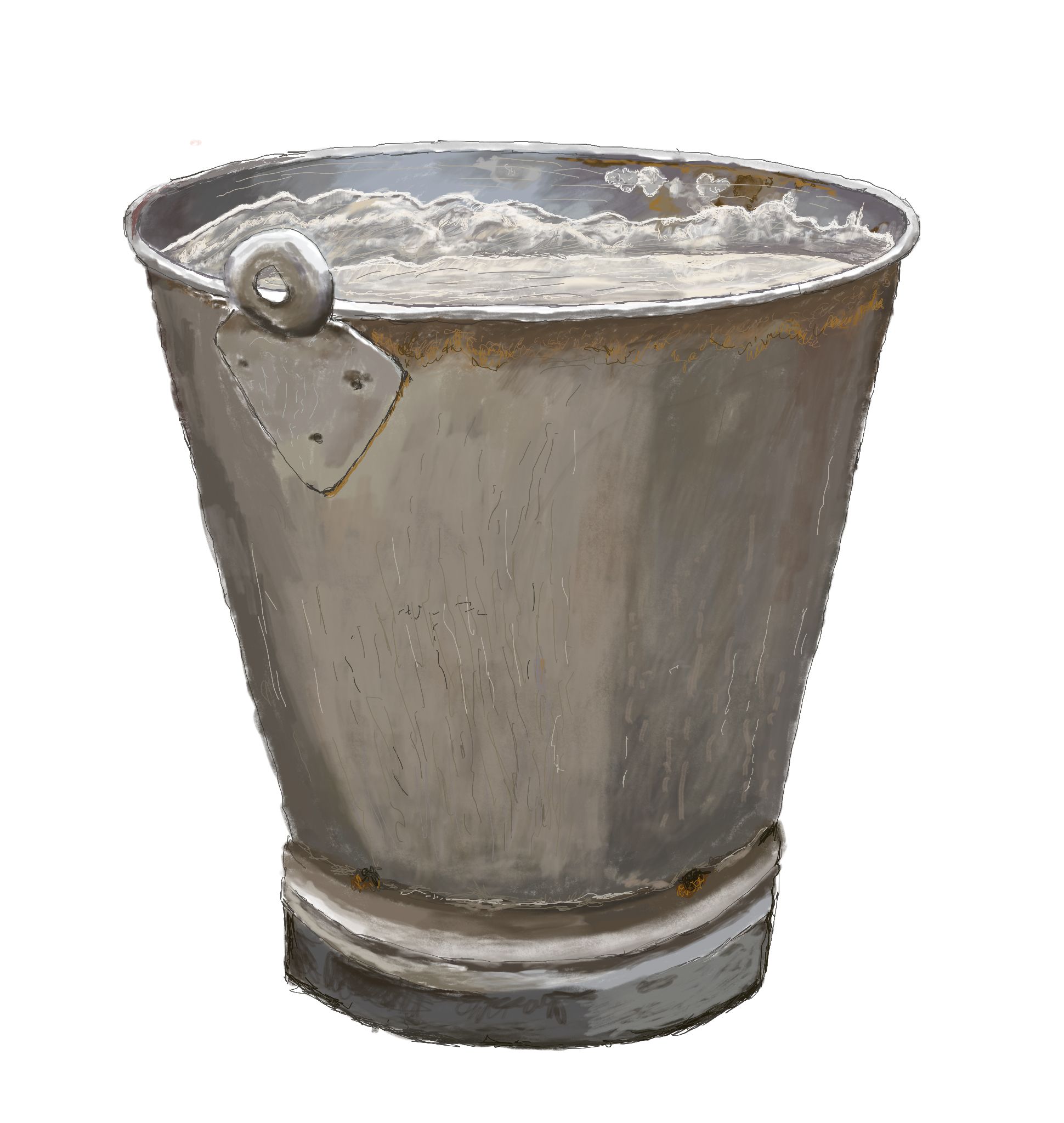
‘Impact of Water Contamination on One Bucket in Brij Vihar, Bhopal’, 2023. Drawing credit: Lynn Wray.
‘Impact of Water Contamination on One Bucket in Brij Vihar, Bhopal’, 2023. Drawing credit: Lynn Wray.
Brij Vihar's Ongoing Water Problem
The impact of the water contamination is challenging to prove. Communities have been left with the burden of proof, as Dow Chemical (owners of Union Carbide) and local and national government have refused to commission the large-scale health studies needed to establish causality between groundwater contamination and widespread health problems. However, the impacts are felt and seen by people living in water-affected communities. They have observed visible changes over time to the water vessels they use every day and felt the impact of toxins on their own bodies.
The situation in Brij Vihar colony demonstrates the ongoing issues that many communities face. A new colony established in 2007, many families moved to Brij Vihar uninformed that their groundwater supply was contaminated, and have since developed serious health conditions.
The water has destroyed us... The water here has made our kids ill... [We were] very healthy. Now our health is ruined.
Brij Vihar is part of a designated water-contaminated area, entitled to clean drinking water, and yet the provision of water tanks has not guaranteed access to a reliable water supply. There is not enough water to go round, meaning people have no choice but to drink contaminated bore well water. Those families who can are moving away. Those who remain are locked in negotiations with the local government, demanding a basic human right: access to clean water.
We have a huge water problem. We need a tap in every house.
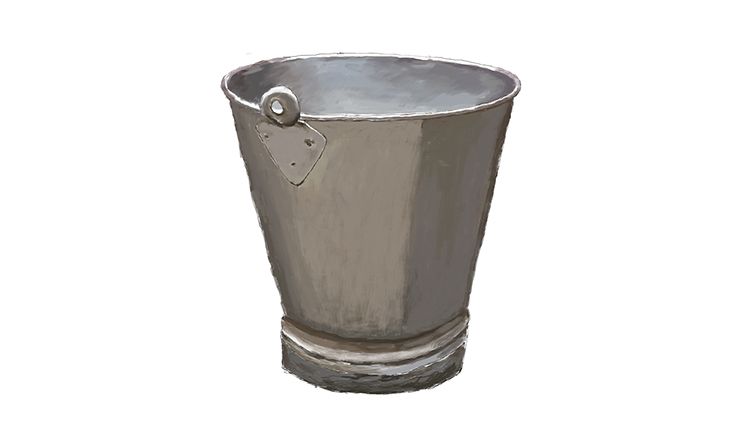
‘Impact of Water Contamination on One Bucket in Brij Vihar, Bhopal’, 2023. Drawing credit: Lynn Wray.
‘Impact of Water Contamination on One Bucket in Brij Vihar, Bhopal’, 2023. Drawing credit: Lynn Wray.
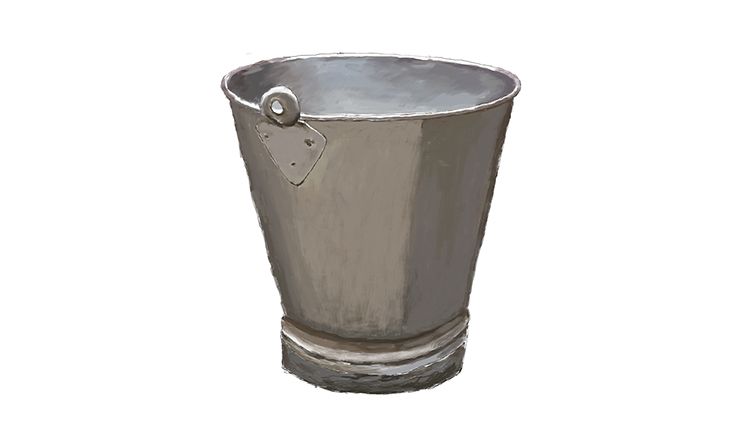
‘Impact of Water Contamination on One Bucket in Brij Vihar, Bhopal’, 2023. Drawing credit: Lynn Wray.
‘Impact of Water Contamination on One Bucket in Brij Vihar, Bhopal’, 2023. Drawing credit: Lynn Wray.
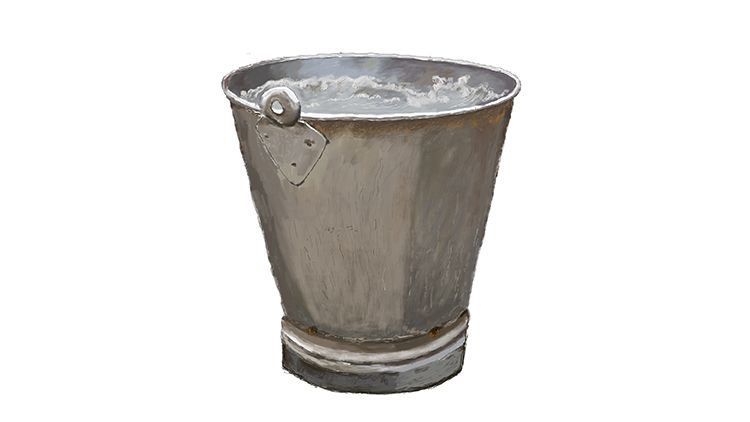
‘Impact of Water Contamination on One Bucket in Brij Vihar, Bhopal’, 2023. Drawing credit: Lynn Wray.
‘Impact of Water Contamination on One Bucket in Brij Vihar, Bhopal’, 2023. Drawing credit: Lynn Wray.
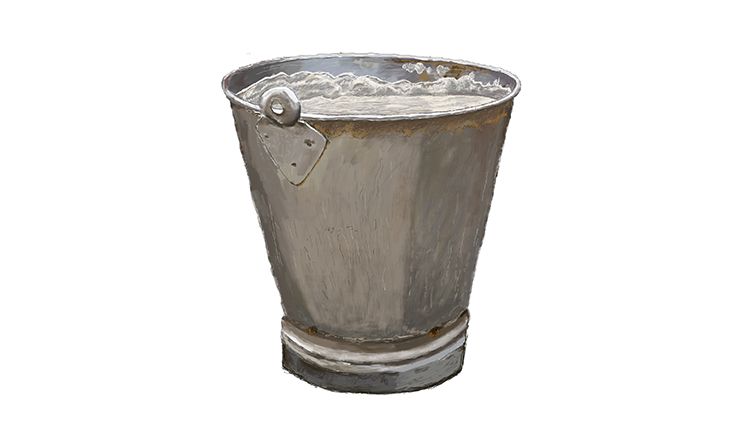
‘Impact of Water Contamination on One Bucket in Brij Vihar, Bhopal’, 2023 Drawing credit: Lynn Wray.
‘Impact of Water Contamination on One Bucket in Brij Vihar, Bhopal’, 2023 Drawing credit: Lynn Wray.

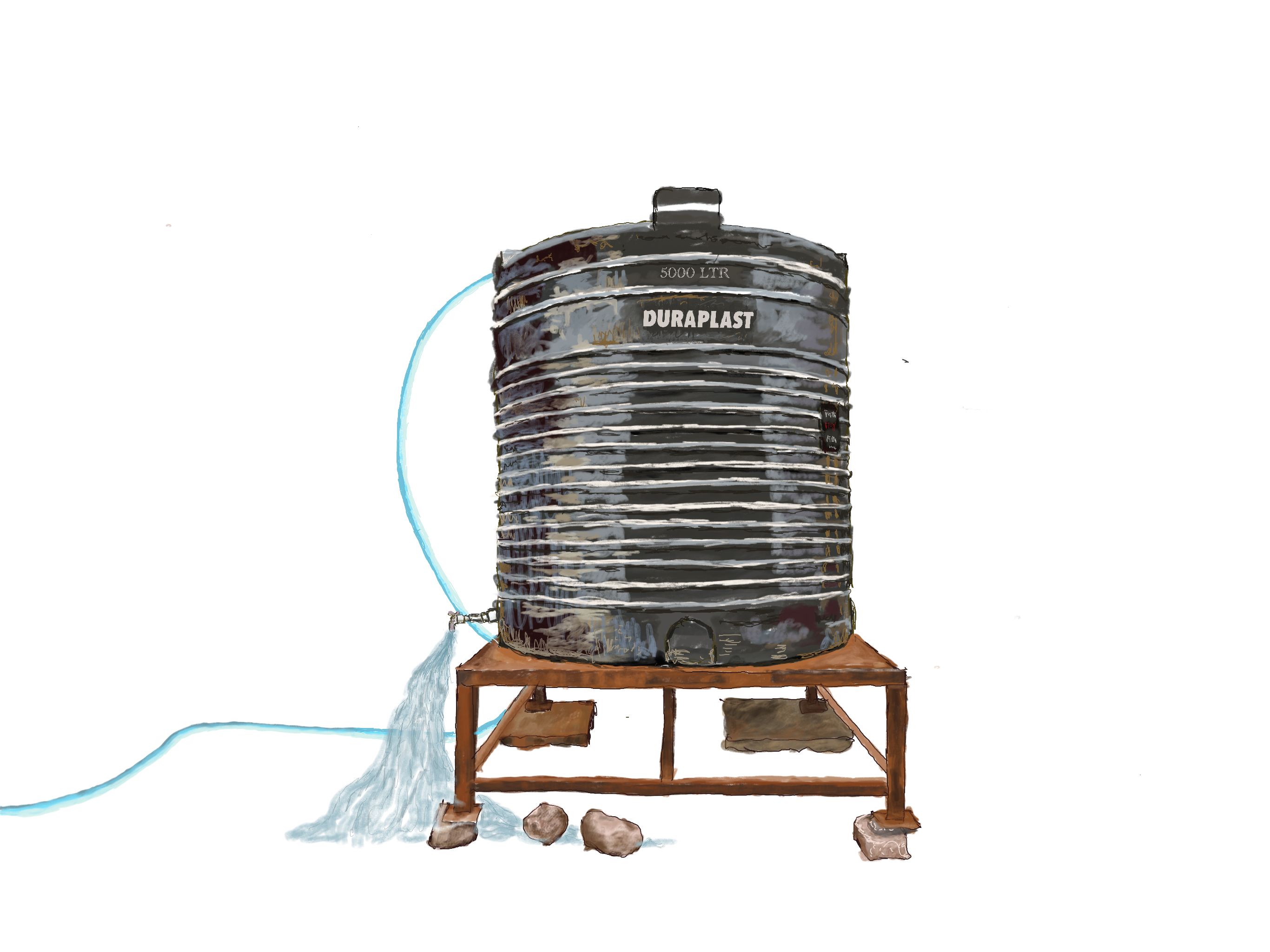

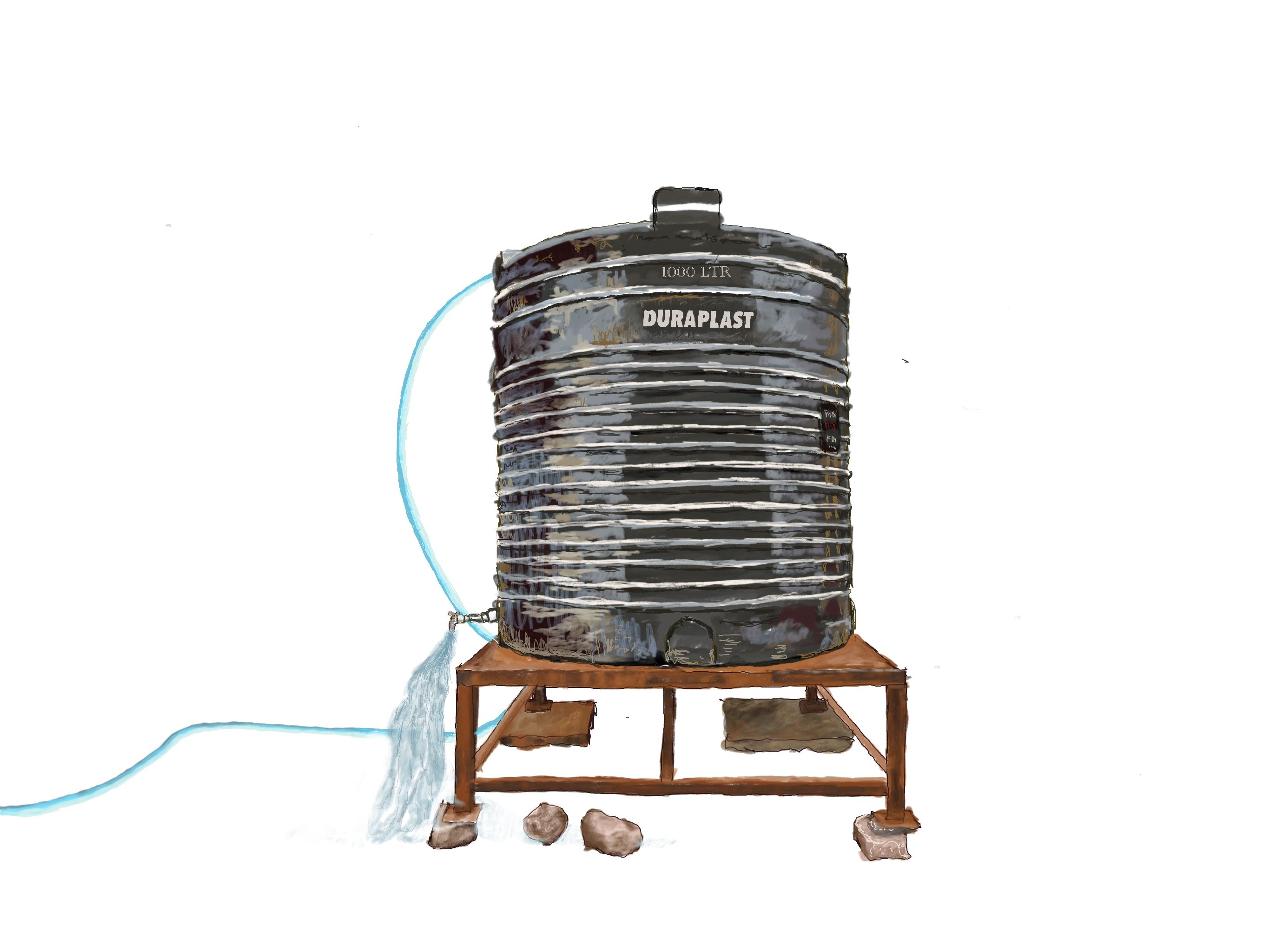

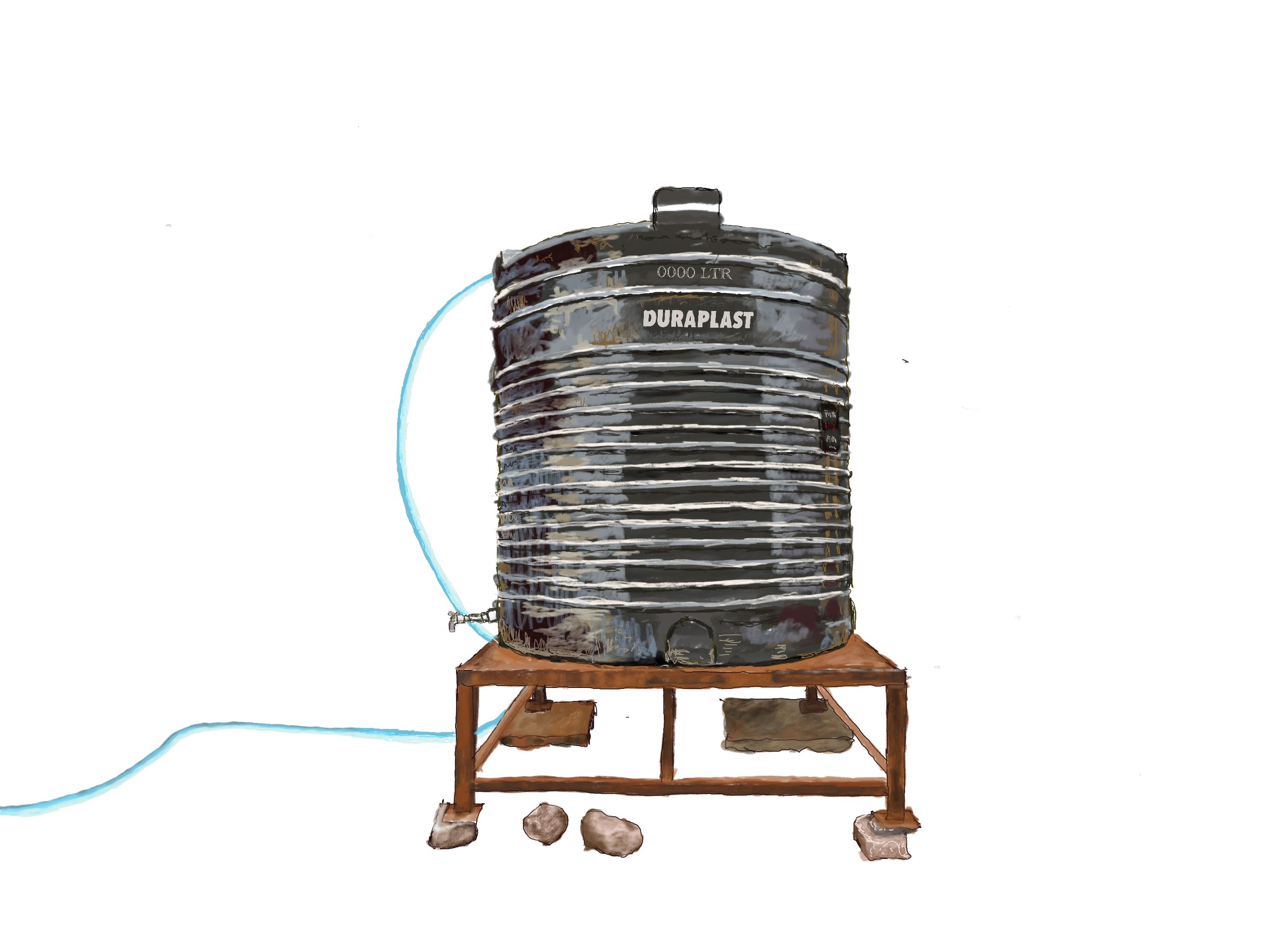
"When that [local government] investigating committee investigated the water here and found out how we are affected by the groundwater here, they gave us this 5,000-litre tank on a temporary basis."
"This 5,000-litre tank is only for show..."
"Water comes into this tank for just 10 minutes. Water comes for 10 minutes through a half-inch pipe. How can you fill a 5,000-litre tank? This is impossible.”
Resident of Brij Vihar colony

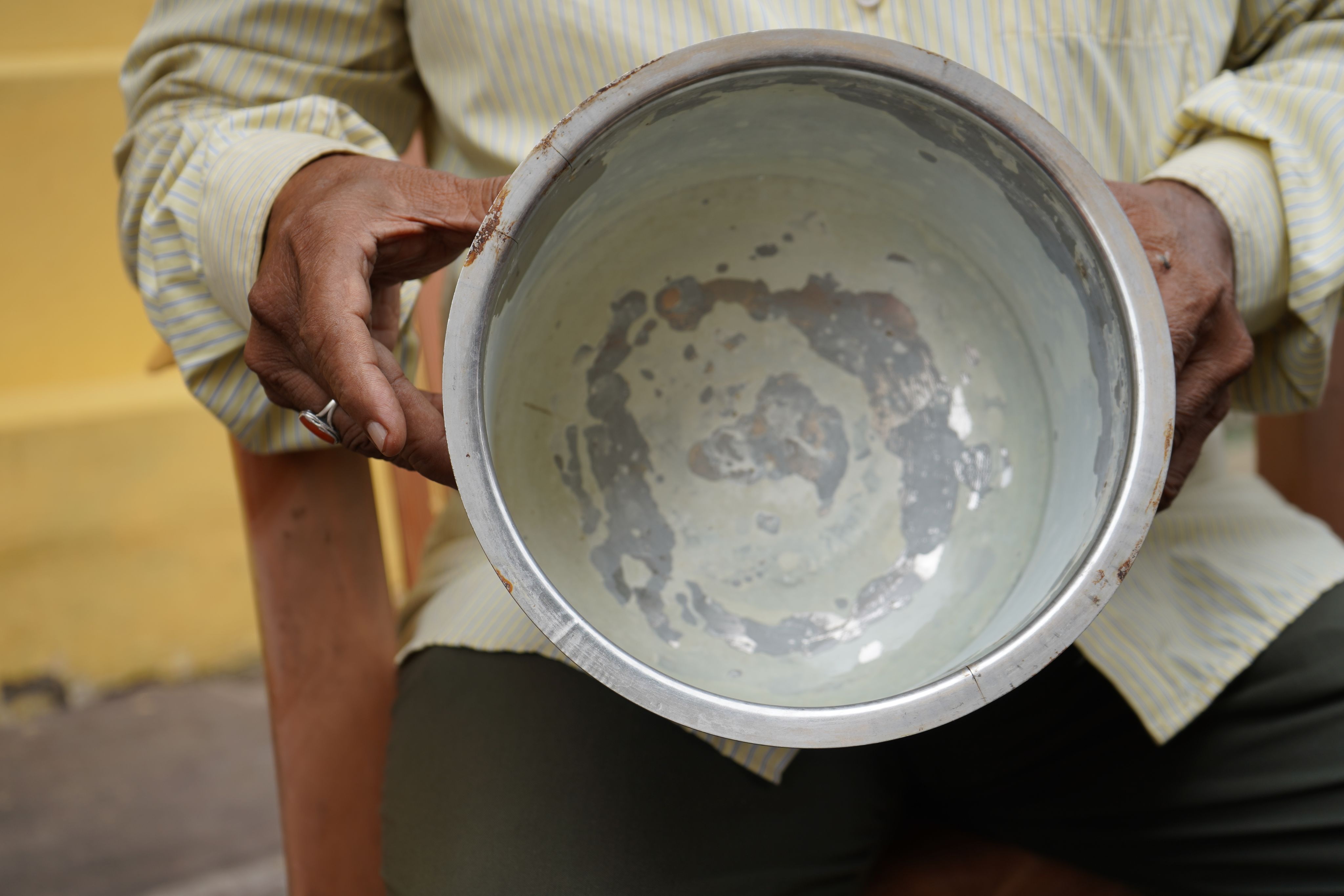
An aluminium bowl scarred by years of use with contaminated water, Brij Vihar colony, Bhopal, 2023. Photo credit: Lynn Wray.
An aluminium bowl scarred by years of use with contaminated water, Brij Vihar colony, Bhopal, 2023. Photo credit: Lynn Wray.

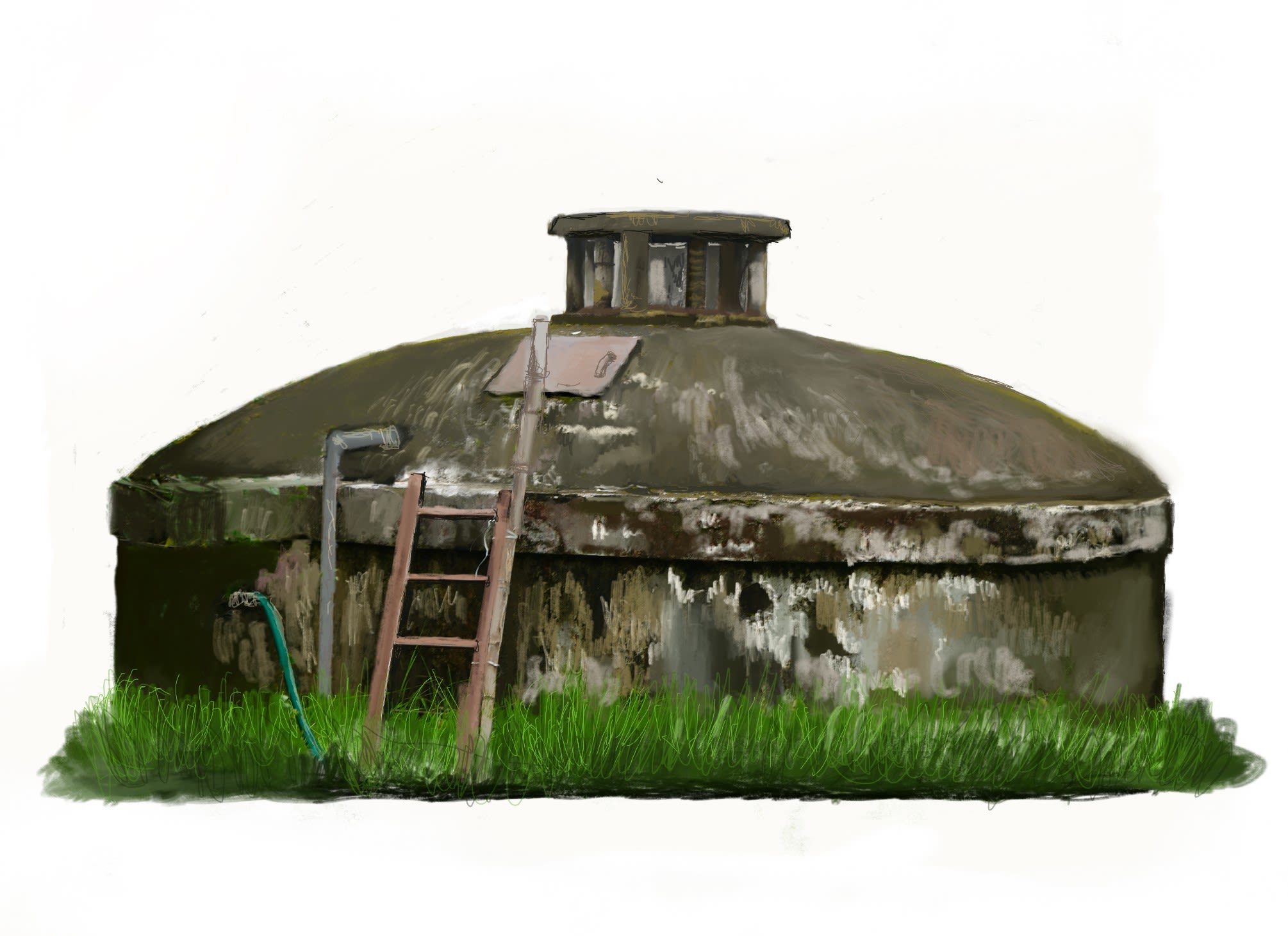
“At present, we are drinking water from the bore wells which has lead and other heavy metals. As a result, we have skin diseases, kidney stones, stomach issues, digestive issues, heart problems leading to heart attacks, and other diseases.”
Resident of Brij Vihar colony
Healing Without Harm
In the years following the gas disaster Bhopal survivors, realising they would not receive proper care from the company that had injured them or from the government, resolved to set up their own free clinic.
A handful of friends decided to help them, resulting in the founding of the Bhopal Medical Appeal. Our first appeal, on the tenth anniversary of ‘that night’, was risked on the wavering hope that this was not a world without care. Nothing prepared us for what happened in the following days. People responded in such numbers that our volunteers were overwhelmed. A wave of love set in motion a fundamental change to a situation of profound despair.

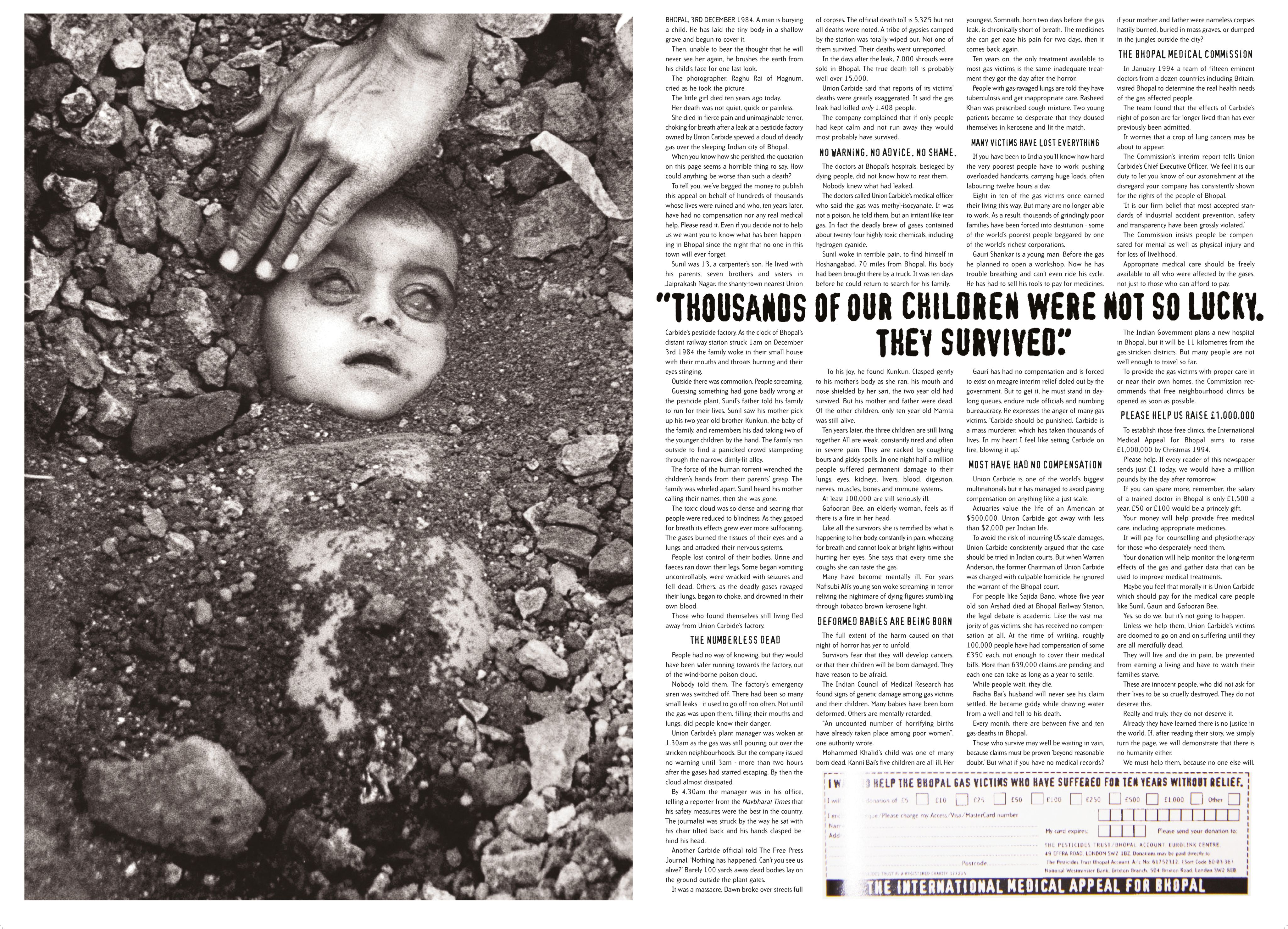
The Bhopal Medical Appeal’s first advertisement in 1994, featuring Raghu Rai's iconic image 'Burial of an Unknown Child'.
The Bhopal Medical Appeal’s first advertisement in 1994, featuring Raghu Rai's iconic image 'Burial of an Unknown Child'.
The name the Bhopal survivors gave to their new clinic reflects the spirit of its founding. Sambhavna is a Sanskrit word that means ‘possibility’. Read as sama and bhavna it translates as ‘shared feelings’ or ‘compassion’.
Chronically impacted by poison gases and years of drinking contaminated water, the bodies of the Bhopal survivors were already in toxic overload, their immune systems so damaged that even simple drugs like aspirin might have unpredictable and adverse effects. For these reasons, Sambhavna combined the best allopathic medicine with drug-free herbal medicines and therapies derived from the Indian science of medicine, ayurveda. To avoid further loading the bodies of survivors, we chose as our guiding principle ‘first do no harm’. So unused were they to gentleness, kindness and respect that, on having their pulse checked by our doctors, some of our first patients began weeping.

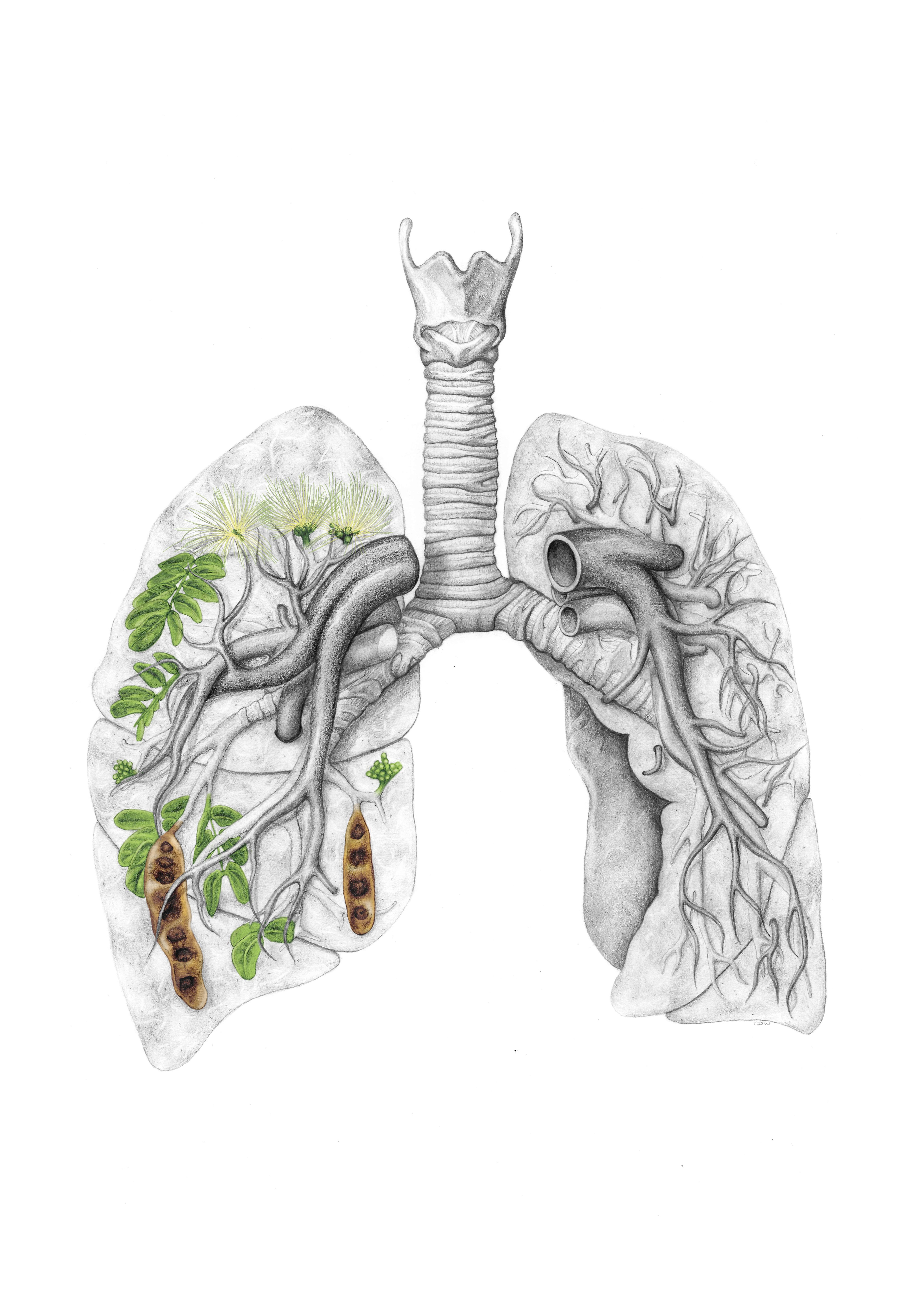
Illustration by Charlotte Donald Wilson, 2023.
Illustration by Charlotte Donald Wilson, 2023.
To be a true house of healing, Sambhavna needed to treat more than just bodies. Appalling memories of ‘that night’ and traumatic life events in the decades since have left a high number of survivors with anxiety, depression and stress disorders. To provide a therapeutic environment and safeguard against poor quality and adulterated medicines, Sambhavna established a two-acre medicinal garden at the clinic where we grow hundreds of herbs and manufacture more than 80 high-quality medicines to the precise recipes given in the ayurvedic texts. The results are encouraging, and in some cases spectacular.
In addition to these natural remedies, Sambhavna pioneered the use of yoga therapy to help relieve aches, pains, and other chronic symptoms. The clinic also assembled community health teams to provide free accessible care, health camps, and workshops to a population of over 30,000 affected people. To date, more than 37,000 people have received free treatment at the clinic. Of these, the majority are women. The combined impact of gas and water has been most damaging to women's health, who have now borne three generations of children with disabilities as a result of their family's exposure to Carbide's chemicals.
It soon became apparent another space was needed for these many children - a place where they could not only receive care, but learn, play, and grow together. In 2004, two women survivors, Rashida Bee and Champa Devi Shukla, won the prestigious Goldman Environmental Prize for their activism. They used every penny to open Chingari Rehabilitation Centre, a clinic offering physiotherapy, speech therapy, occupational therapy, music therapy, and specialised education to children from affected communities. The word 'Chingari' means 'spark'. Today the clinic provides these services, as well as a pick-up and drop-off van and free meals, to more than 180 children every day. Each year children at Chingari learn to walk, speak, and face the world's challenges.

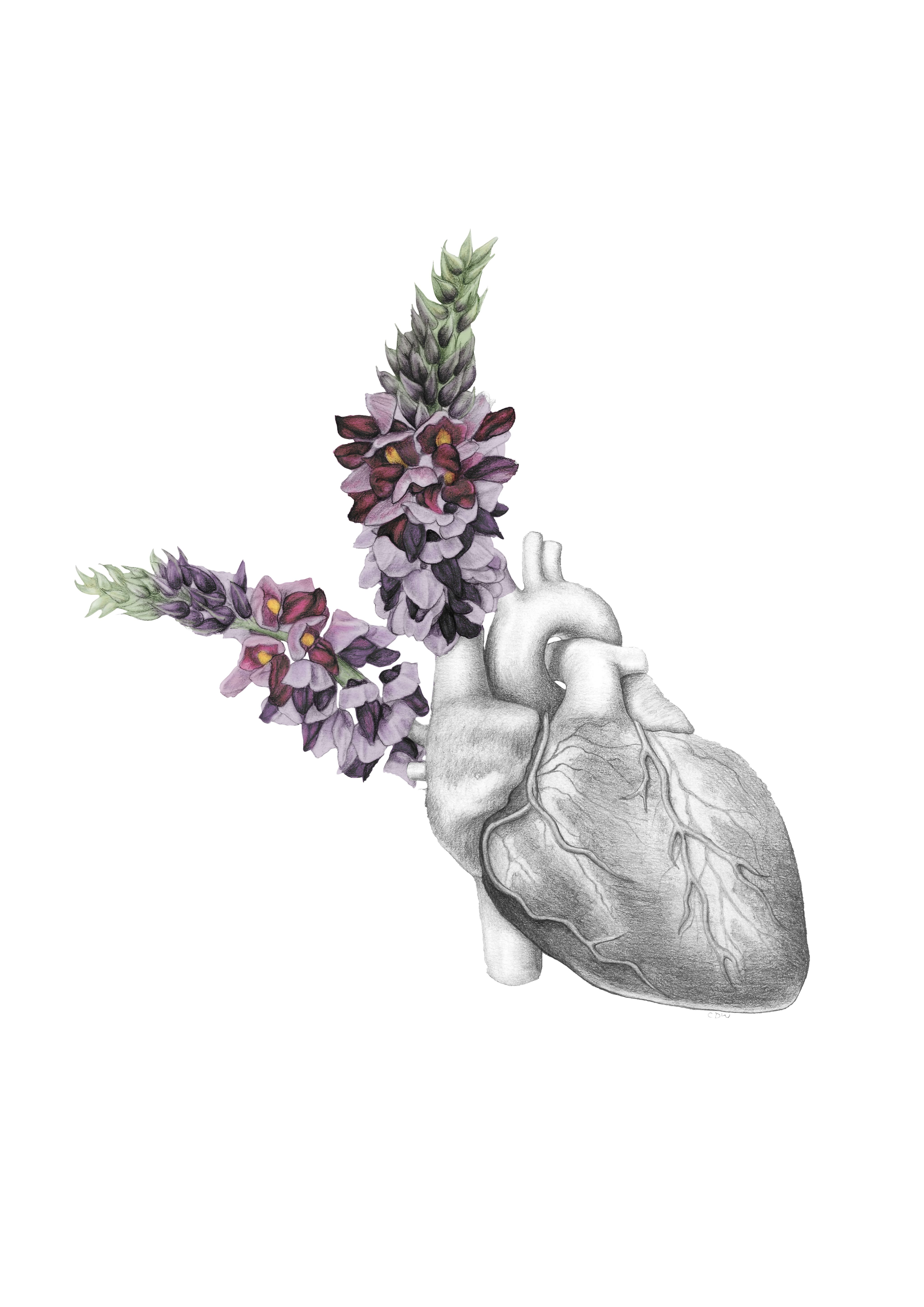
Illustration by Charlotte Donald Wilson, 2023.
Illustration by Charlotte Donald Wilson
However, the need for our services in Bhopal remains intense. There are 1,000 more children on our waiting list for care. People exposed to MIC as children, now in their early forties, are dying after prolonged suffering. The death toll has reached 25,000 and is rising. Many succumb to cancers and to chronic diseases of the lungs, kidneys and other organs. More than 100,000 people in Bhopal are still being affected by water contamination.
Not a single rupee in compensation has ever been paid to those affected by groundwater contamination, and until 2025 no efforts had been made to clean the remaining chemicals from the factory site and surrounding areas. The current clean up operation - the burning of a few hundred tonnes of waste while thousands more remain buried in the soil - is only another attempt by the authorities to put the two disasters, and their survivors, out of the minds of those who might see the injustice they have endured.
As the survivors have taught us, the true power of healing lies in compassion. If you have read this far, you are one of a special few, and a beacon of hope to our friends in Bhopal. With your help a better future is achievable, one where lives are no longer poisoned by greed and corporate negligence. Will you join us?
What Can I Do?
Donate
Donations to the Bhopal Medical Appeal will help provide free ethical and sustainable healthcare to patients at the Sambhavna Trust Clinic and children at the Chingari Rehabilitation Centre.
Fundraise and volunteer
Visit the Bhopal Medical Appeal website for information on how to get involved: www.bhopal.org/support-us/
Learn more
Find a list of books about Bhopal here:
www.bhopal.net/resources/books/
Links to films about Bhopal are available here:
www.bhopal.net/40th/#resources
Follow
Find the Bhopal Medical Appeal on Facebook, Instagram, and BlueSky.

Illustration by Charlotte Donald Wilson, 2023.
Illustration by Charlotte Donald Wilson, 2023.

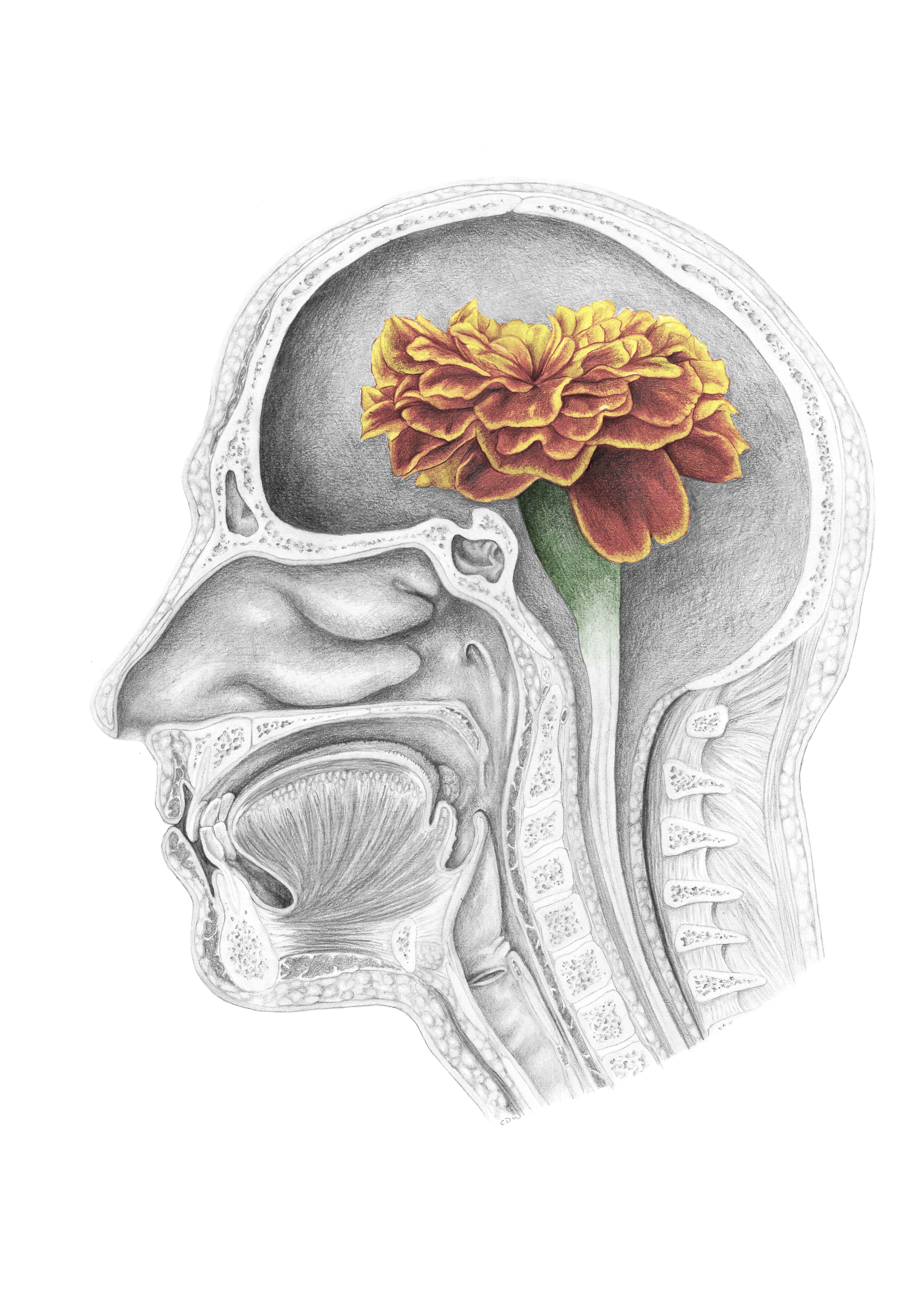
Illustration by Charlotte Donald Wilson, 2023.
Illustration by Charlotte Donald Wilson, 2023.
Healing Without Harm
In the years following the gas disaster Bhopal survivors, realising they would not receive proper care from the company that had injured them or from the government, resolved to set up their own free clinic.
A handful of friends decided to help them, resulting in the founding of the Bhopal Medical Appeal. Our first appeal, on the tenth anniversary of ‘that night’, was risked on the wavering hope that this was not a world without care. Nothing prepared us for what happened in the following days. People responded in such numbers that our volunteers were overwhelmed. A wave of love set in motion a fundamental change to a situation of profound despair.
The Bhopal Medical Appeal’s first advertisement in 1994, featuring Raghu Rai's iconic image 'Burial of an Unknown Child'.
The Bhopal Medical Appeal’s first advertisement in 1994, featuring Raghu Rai's iconic image 'Burial of an Unknown Child'.
The name the Bhopal survivors gave to their new clinic reflects the spirit of its founding. Sambhavna is a Sanskrit word that means ‘possibility’. Read as sama and bhavna it translates as ‘shared feelings’ or ‘compassion’.
Chronically impacted by poison gases and years of drinking contaminated water, the bodies of the Bhopal survivors were already in toxic overload, their immune systems so damaged that even simple drugs like aspirin might have unpredictable and adverse effects. For these reasons, Sambhavna combined the best allopathic medicine with drug-free herbal medicines and therapies derived from the Indian science of medicine, ayurveda. To avoid further loading the bodies of survivors, we chose as our guiding principle ‘first do no harm’. So unused were they to gentleness, kindness and respect that, on having their pulse checked by our doctors, some of our first patients began weeping.
Illustration by Charlotte Donald Wilson, 2023.
Illustration by Charlotte Donald Wilson, 2023.
To be a true house of healing, Sambhavna needed to treat more than just bodies. Appalling memories of ‘that night’ and traumatic life events in the decades since have left a high number of survivors with anxiety, depression and stress disorders. To provide a therapeutic environment and safeguard against poor quality and adulterated medicines, Sambhavna established a two-acre medicinal garden at the clinic where we grow hundreds of herbs and manufacture more than 80 high-quality medicines to the precise recipes given in the ayurvedic texts. The results are encouraging, and in some cases spectacular.
In addition to these natural remedies, Sambhavna pioneered the use of yoga therapy to help relieve aches, pains, and other chronic symptoms. The clinic also assembled community health teams to provide free accessible care, health camps, and workshops to a population of over 30,000 affected people. To date, more than 37,000 people have received free treatment at the clinic. Of these, the majority are women. The combined impact of gas and water has been most damaging to women's health, who have now borne three generations of children with disabilities as a result of their family's exposure to Carbide's chemicals.
It soon became apparent another space was needed for these many children - a place where they could not only receive care, but learn, play, and grow together. In 2004, two women survivors, Rashida Bee and Champa Devi Shukla, won the prestigious Goldman Environmental Prize for their activism. They used every penny to open Chingari Rehabilitation Centre, a clinic offering physiotherapy, speech therapy, occupational therapy, music therapy, and specialised education to children from affected communities. The word 'Chingari' means 'spark'. Today the clinic provides these services, as well as a pick-up and drop-off van and free meals, to more than 180 children every day. Each year children at Chingari learn to walk, speak, and face the world's challenges.
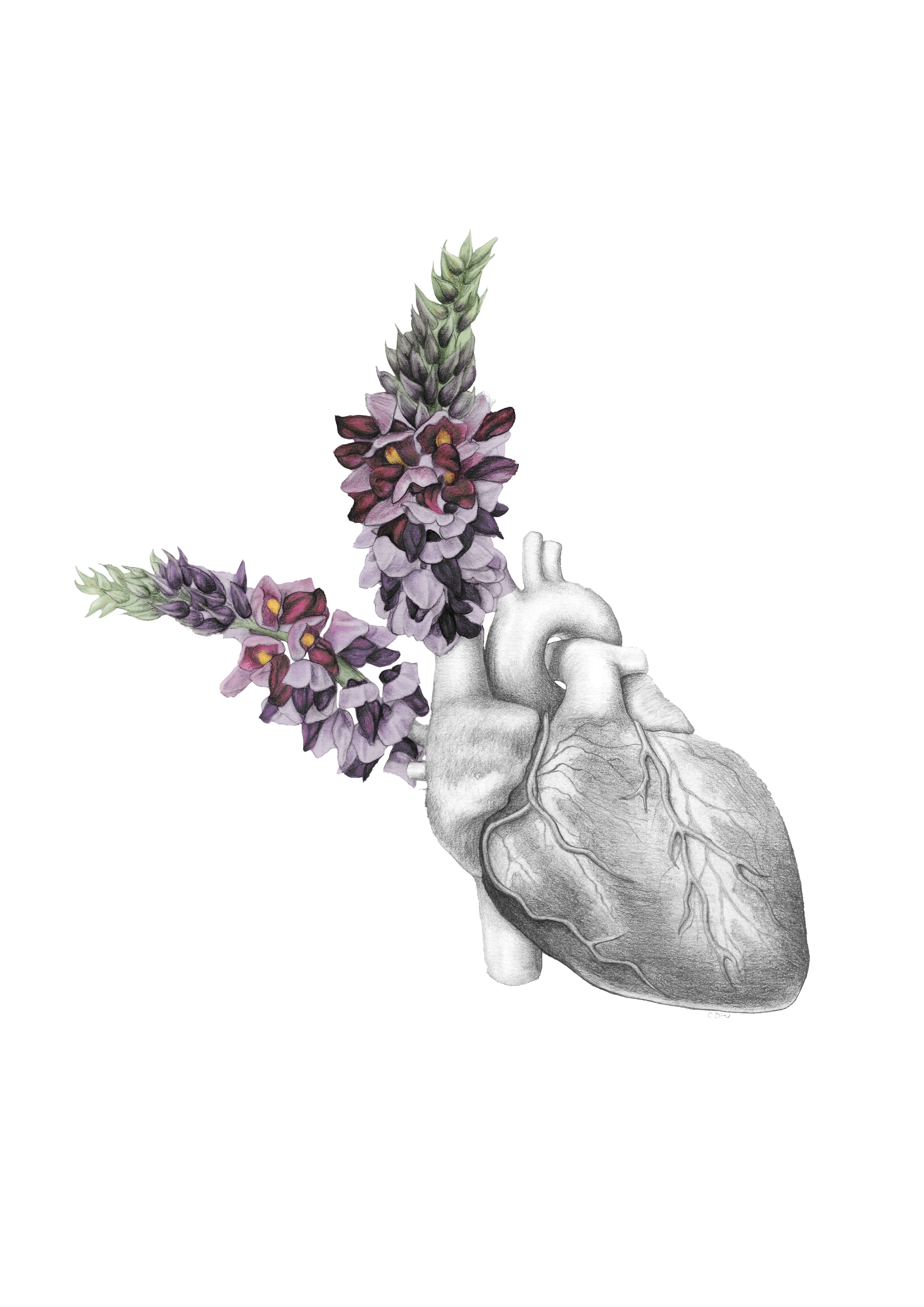
Illustration by Charlotte Donald Wilson, 2023.
Illustration by Charlotte Donald Wilson, 2023.
However, the need for our services in Bhopal remains intense. There are 1,000 more children on our waiting list for care. People exposed to MIC as children, now in their early forties, are dying after prolonged suffering. The death toll has reached 25,000 and is rising. Many succumb to cancers and to chronic diseases of the lungs, kidneys and other organs. More than 100,000 people in Bhopal are still being affected by water contamination.
Not a single rupee in compensation has ever been paid to those affected by groundwater contamination, and until 2025 no efforts had been made to clean the remaining chemicals from the factory site and surrounding areas. The current clean up operation - the burning of a few hundred tonnes of waste while thousands more remain buried in the soil - is only another attempt by the authorities to put the two disasters, and their survivors, out of the minds of those who might see the injustice they have endured.
As the survivors have taught us, the true power of healing lies in compassion. If you have read this far, you are one of a special few, and a beacon of hope to our friends in Bhopal. With your help a better future is achievable, one where lives are no longer poisoned by greed and corporate negligence. Will you join us?
What Can I Do?
Donate
Donations to the Bhopal Medical Appeal will help provide free ethical and sustainable healthcare to patients at the Sambhavna Trust clinic and children at the Chingari Rehabilitation Centre.
Fundraise and volunteer
Visit the Bhopal Medical Appeal website for information on how to get involved: www.bhopal.org/support-us/
Learn more
Find a list of books about Bhopal here:
www.bhopal.net/resources/books/
Links to films about Bhopal are available here:
www.bhopal.net/40th/#resources
Follow
Find the Bhopal Medical Appeal on Facebook, Instagram, and Bluesky.
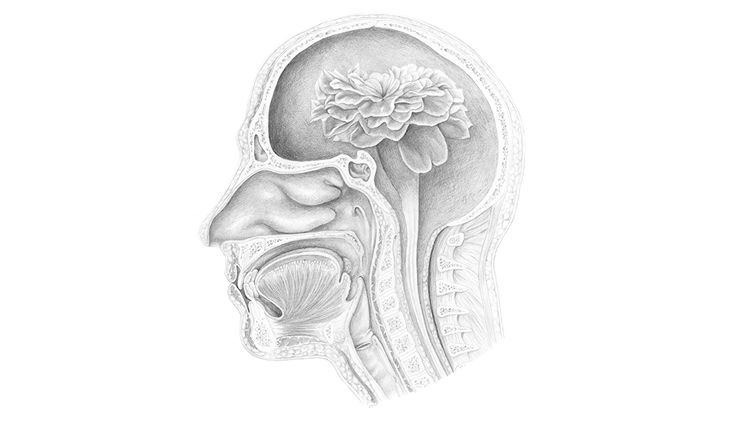
Illustration by Charlotte Donald Wilson, 2023.
Illustration by Charlotte Donald Wilson, 2023.
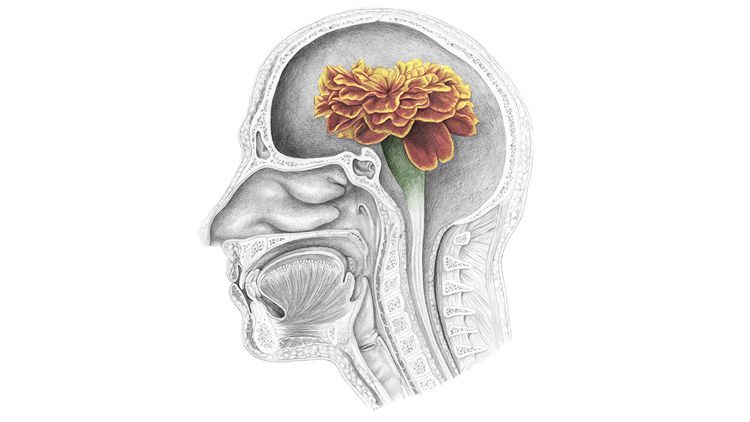
Illustration by Charlotte Donald Wilson, 2023.
Illustration by Charlotte Donald Wilson, 2023.
Story Credits
Research by the LivingBodiesObjects team, the Bhopal Medical Appeal, Immersive Networks, Dr Shalini Sharma, and LBO Research Assistants Dr Chris Stringer and Dr Rachel Garratt.
Shorthand Design and Production, Artworking and Scrollmations by Dr Lynn Wray.
Text by Clare Barker, Tim Edwards, Jared Stoughton, and Lynn Wray with input from the Bhopal Medical Appeal and LivingBodiesObjects teams.
Interviews conducted by Tabish Ali on behalf of the Bhopal Medical Appeal.
Photographs and Films as credited and shown courtesy of the Bhopal Medical Appeal and LivingBodiesObjects. With special thanks to Dr Shalini Sharma, Tim Edwards and Jared Stoughton for ideas, reference images, photographs and inspiration for the sequential drawings.
Map adapted for Shorthand by Dr Lynn Wray from original ARCGIS storymap by Dr Chris Stringer. With contributions from Clare Barker, Tabish Ali, Jared Stoughton and the Chingari Clinic Community Health Team.
Audience Research by Dr Rachel Garratt.
Acknowledgements
This story has been produced as part of a collaborative research project undertaken by the Bhopal Medical Appeal, the LivingBodiesObjects team at the University of Leeds, and Immersive Networks.
The LivingBodiesObjects project is funded by the Wellcome Trust.


With special thanks to:
Peter Eyres, Dave Lynch and the Immersive Networks team for the original idea to develop a Shorthand story, and for facilitating generative workshops during the collaborative research process.
Dr Shalini Sharma for her contribution of insightful ideas, facts, and feedback throughout the project.
Tim Edwards for sharing his deep knowledge of the history of both disasters.
Farah Edwards for translating with care.
Selected Resources
Amnesty International. 2024. Bhopal: 40 Years of Injustice. https://www.bhopal.org/wp-content/uploads/2024/08/Amnesty-Bhopal-40-Years-of-Injustice-1.pdf.
Bhopal Medical Appeal. “Water Contamination Crisis – Bhopal’s Second Disaster.” https://www.bhopal.org/continuing-disaster/second-poisoning/bhopal-second-poisoning/water-contamination-briefing-paper/.
Centre for Science and Environment. 2009. Contamination of Soil and Water Inside and Outside the Union Carbide India Limited, Bhopal. https://www.bhopal.org/wp-content/uploads/2016/06/CSE-REPORT.pdf.
Dhingra, Rachna, and Madhumita Dutta. 2024. “Neend Udaao Andolan: Bhopali Women’s Responses to the Ongoing Environmental and Health Disaster Surrounding the Abandoned Union Carbide Factory, Bhopal, India.” Gender and Development, 32 (3): 727-748.
Greenpeace. 1999. The Bhopal Legacy: Toxic Contaminants at the Former Union Carbide Factory Site, Bhopal, India: 15 Years After the Bhopal Accident. https://www.bhopal.org/wp-content/uploads/2018/09/1999-The-Bhopal-Legacy.pdf.
Indian Institute of Toxicology Research (IITR). 2018. Analysis of Drinking Water Samples from Bhopal (Ground Water Sample): Final Report. https://www.bhopal.org/wp-content/uploads/2018/08/IITR-report-dlsa-email.pdf.
Sharma, Shalini. 2014. “The Bhopal Disaster and Its Aftermath: Conflict Over Safe Water, Environment and Justice.” In Conflicts around Domestic Water and Sanitation in India: Cases, Issues and Prospects, edited by K. J. Joy, Suhas Paranjape, and Sarita Bhagat, 1-18. Pune: Forum for Policy Dialogue on Water Conflicts in India.
For further publications and reports about Bhopal's two disasters, see the Bhopal Medical Appeal resource library: https://www.bhopal.org/resources/resource-library/.
 Built with Shorthand